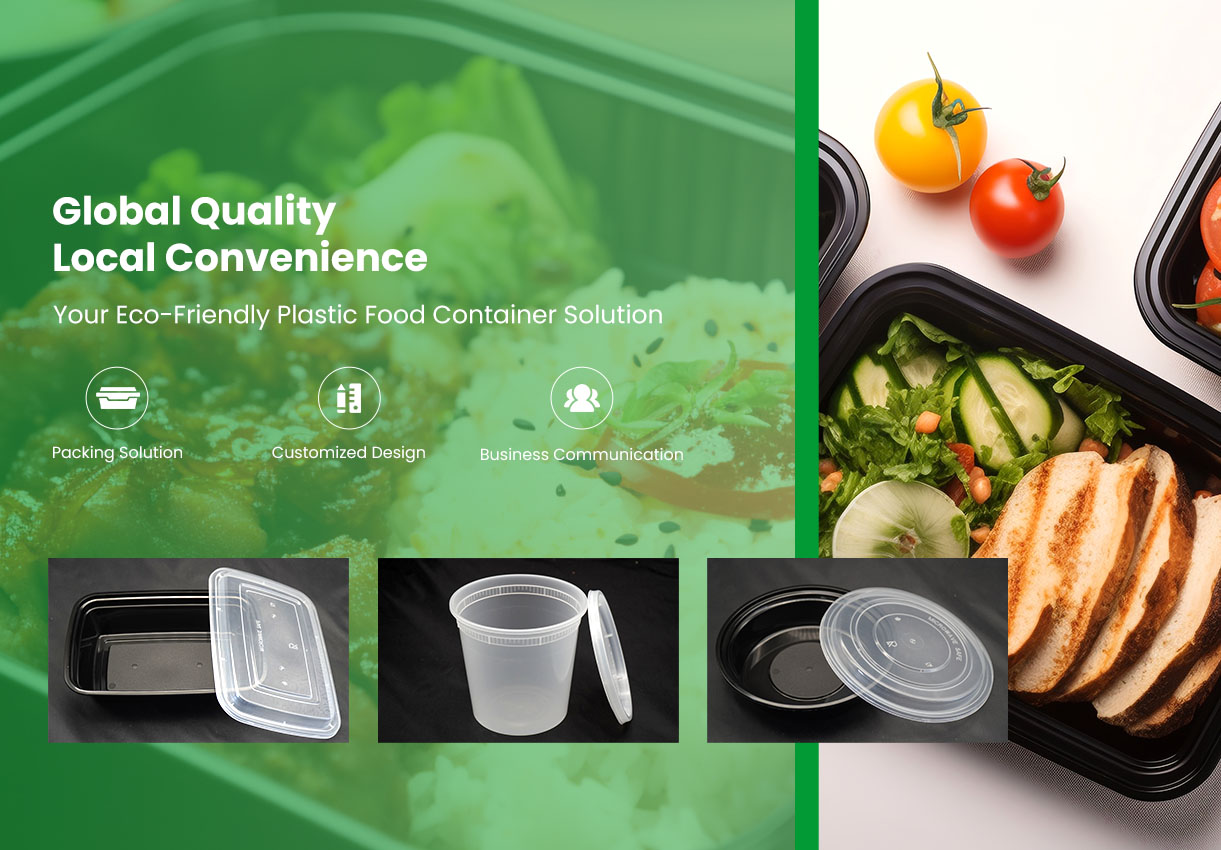
Selecting an eco-friendly lunch box for food service has become a priority for many restaurants, cafeterias, and catering providers. As businesses move toward sustainable operations, packaging choices directly influence environmental impact, customer perception, and long-term operating costs. This article explains how to evaluate materials, performance, and usability when choosing environmentally responsible lunch boxes. It also highlights how professional manufacturers such as LVHUI offer reliable biodegradable and compostable options suitable for modern food businesses.
Eco-friendly lunch boxes are designed with reduced environmental impact throughout their life cycle. Most choices fall into categories such as plant-based fibers, biodegradable polymers, or recycled paper products. Plant-based materials such as bagasse, wheat straw, and bamboo fiber provide strong heat resistance and natural decomposition without harmful residues. Recycled kraft paper is another option, offering lightweight structure and lower emissions during production.
When evaluating these materials, it is useful to compare durability, moisture resistance, and disposal methods. Lunch boxes made from bagasse typically withstand hot foods much better than recycled paper containers. Bamboo fiber provides smooth surfaces and higher rigidity, ideal for commercial kitchens that handle both liquid and solid meals. Choosing the right material begins with understanding your menu type, portion sizes, and whether meals are transported or consumed on-site.
Choosing the right packaging involves assessing structural performance, usability, and environmental certifications. Each factor contributes to how well the container will support daily operations in food service settings.
Food service providers must ensure the lunch box maintains temperature stability during storage and delivery. High-quality plant-fiber boxes can tolerate temperatures from 0°C to 120°C without deformation. This makes them suitable for hot dishes, soups, and steam environments often found in commercial kitchens.
Moisture-heavy and oily foods require lunch boxes with proper internal resistance. Water absorption rates of less than 20% and grease resistance levels that meet international standards help prevent leakage and maintain freshness. Boxes coated with biodegradable waterproof layers offer improved durability while remaining environmentally responsible.
Lunch boxes should withstand stacking, handling, and transportation pressures. A box with a compression strength of at least 8–10 kg provides a more reliable solution for meal delivery services or large institutional kitchens. High-density plant fibers are often preferred due to their ability to retain structure even with heavier foods.
Food-contact safety is essential. Containers should meet regulations for non-toxic ingredients, heavy-metal-free composition, and migration limits. Certifications such as FDA food-contact approval or EN 13432 compostability indicate a higher level of safety and environmental performance.
Practicality in daily food service operations is equally important. Boxes with secure lids, multi-compartment layouts, and consistent sizing help streamline packing and reduce waste. Stackable designs also improve storage efficiency in busy kitchens.
Below is a simple comparison of material characteristics that are commonly used in food service.
| Material Type | Heat Resistance | Strength | Compostability | Typical Use Cases |
|---|---|---|---|---|
| Bagasse Fiber | High | Strong | Yes | Hot meals, saucy food |
| Bamboo Fiber | High | Very strong | Yes | Premium meal boxes |
| Kraft Paper | Moderate | Medium | Yes | Sandwiches, dry meals |
| PLA Bioplastic | Moderate | Medium | Industrial | Cold food, salads |
This table shows that no single material fits every scenario, making it essential to choose based on menu and service style.
Eco-friendly packaging reduces waste generation and supports corporate sustainability goals. Compostable materials return to soil in months under proper conditions, avoiding long-term landfill accumulation. Additionally, sustainable boxes often require less energy to manufacture, helping reduce carbon emissions across the supply chain. Food service businesses adopting biodegradable and recyclable packaging also appeal to environmentally conscious customers, improving brand value and customer loyalty.
It is also important to consider end-of-life management. Compostable and Biodegradable Lunch Boxes simplify waste segregation in restaurants, schools, and corporate dining facilities. When paired with proper disposal guidance, they enhance environmental responsibility throughout the service operation.
For businesses seeking dependable, high-quality sustainable packaging, LVHUI provides a broad range of biodegradable and compostable food containers designed specifically for food service. Their materials are plant-based, durable, safe for direct food contact, and available in multiple sizes and styles suitable for restaurants, catering services, and takeout operations. More information can be found through their official website.
Choosing an eco-friendly lunch box for food service involves balancing performance, environmental responsibility, and practicality. By understanding material benefits, evaluating food-contact safety, and matching packaging to service requirements, businesses can achieve both operational efficiency and sustainability goals. With the support of reliable manufacturers like LVHUI, adopting environmentally responsible lunch boxes becomes an achievable step toward greener food service operations.