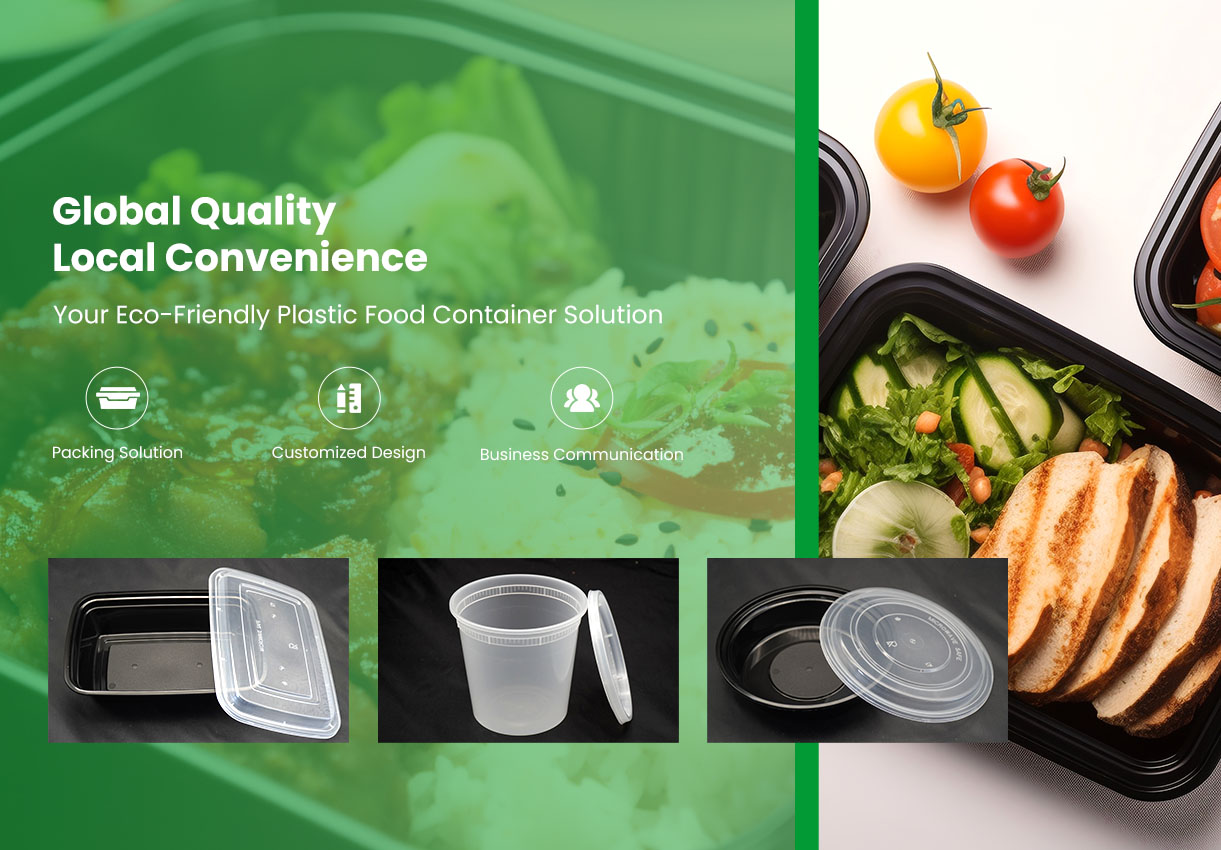
When it comes to Disposable Soup Cups, there is a variety of materials used — each selected for its suitability to hold hot liquids, resist leaks, support transport, and align with different environmental standards. In this article, we’ll explore the most common materials, compare their advantages and limitations, and offer a practical example from a manufacturer you might consider.
Here are the main materials you’ll find in disposable soup cups, along with key features, pros and cons:
| Material | Description | Advantages | Disadvantages |
|---|---|---|---|
| Plastic (e.g., PP, PE, PS) | Many soup cups are made entirely from plastics such as polypropylene (PP) or polyethylene (PE) or sometimes polystyrene (PS). For example, a 12 oz disposable soup cup made by a manufacturer uses PP for the cup and PE for the lid. | Good heat resistance (especially PP), leak resistant, strong and rigid, stackable, widely used in food service. | Environmentally less desirable, may require energy‐intensive production, may not be compostable in many regions, some plastics may raise sustainability concerns. |
| Paper with coating | Many cups are paper‐based (kraft or white board) with an inner coating (PE lining, PLA lining, or other barrier) to make them leak‐ and moisture‐resistant. | More sustainable appearance, renewable resource (paper), often seen as more “eco‐friendly”, can be compostable if appropriately lined/coated. | Often more expensive, the coating may reduce recyclability, if barrier is plastic the composting benefit may be limited, less heat resistance unless properly engineered. |
| Biodegradable / compostable materials | Some manufacturers now offer disposable soup cups made with PLA coating, water‐based barrier coatings, or other biodegradable films. | Better environmental credentials, appeals to sustainable packaging demand, may reduce landfill impact. | Often higher cost, may require specific composting infrastructure, sometimes lower heat resistance or durability compared to plastics or heavily coated paper. |
When selecting a disposable soup cup material, several factors should guide your decision:
Heat resistance and liquid retention: The product must hold hot soup without softening, leaking, or deforming. For plastic (e.g., PP) cups, this capability is well documented.
Leak and spill prevention: A tight‐fitting lid and a robust cup body matter especially for take-out and delivery scenarios. As one manufacturer describes: “tight-fitting lids … effective to prevent liquid spillage and improve convenience of takeout and delivery.”
Storage, transport and stackability: Lightweight materials that can stack well save space and reduce shipping cost and handling time.
Food safety and regulatory compliance: Materials must be safe for food contact and for hot liquids; manufacturers often specify material types (e.g., PP for cup, PE for lid) and suitable temperature ranges.
Environmental impact and disposal: Growing consumer demand for sustainable packaging means materials with lower environmental footprint or end-of-life advantages are increasingly important. For example, paper cups with water‐based coatings or PLA linings.
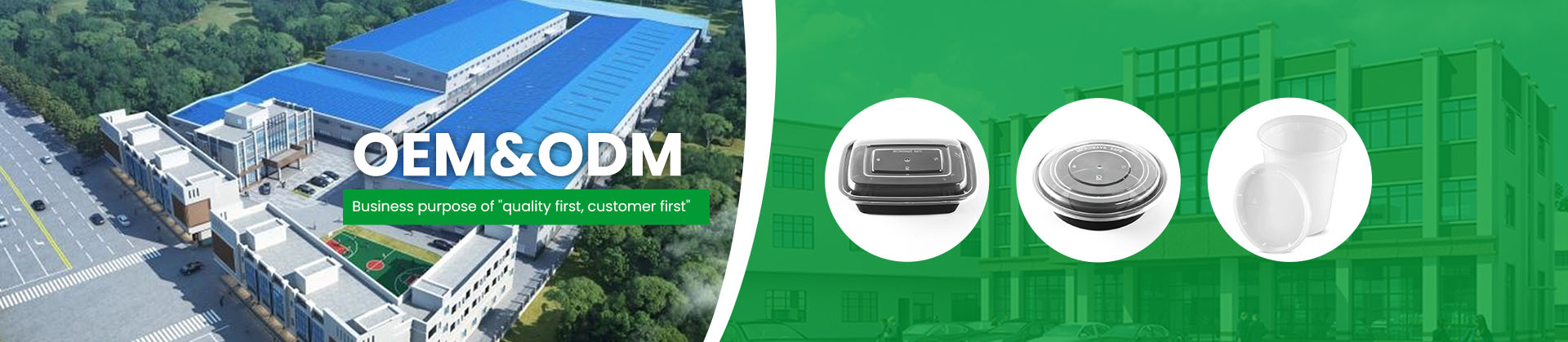
Customization and branding: Many manufacturers offer OEM/ODM options allowing brand logos, custom sizes, and finishes.
One noteworthy manufacturer is Taishan Lvhui Environmental Plastic Technology Co., Ltd. They produce disposable soup cups in a variety of sizes (8oz, 12oz, 16oz, 20oz, 24oz, 32oz) and highlight key features such as PP material for the cup, PE for the lid, microwave safety, OEM/ODM support. Their product line offers practical solutions for foodservice, take-out, delivery and catering contexts. If you are sourcing disposable soup cups for wholesale or private-label use, LVHUI provides a credible option from China with size variety and material clarity.
When ordering disposable soup cups, ensure you specify clearly:
Capacity (e.g., 12oz, 16oz, 32oz)
Material for cup and lid (e.g., PP cup + PE lid)
Lid type and fit (snap-on, vented, leak-resistant)
Heat tolerance or microwave‐safe status
Surface finish (plain white, kraft look, custom print)
Stackability and outer packaging (to optimize logistics)
Certification or compliance (food contact safety, local regulations)
Environmental or end-of-life claims (recyclable, compostable, biodegradable)
Lead time, MOQ, shipping/delivery terms
Disposable soup cups are made from a variety of materials such as plastics (PP, PE), coated paper, or biodegradable alternatives. Each material has its own trade-offs in terms of cost, durability, heat resistance, sustainability and branding potential. The decision of material should align with your business needs: whether you serve hot soup in-house, in take-out, for delivery, or require eco-friendly credentials. Manufacturers like LVHUI offer a wide size range and clear material specifications, making them a useful source for businesses seeking reliable disposable soup cup solutions.