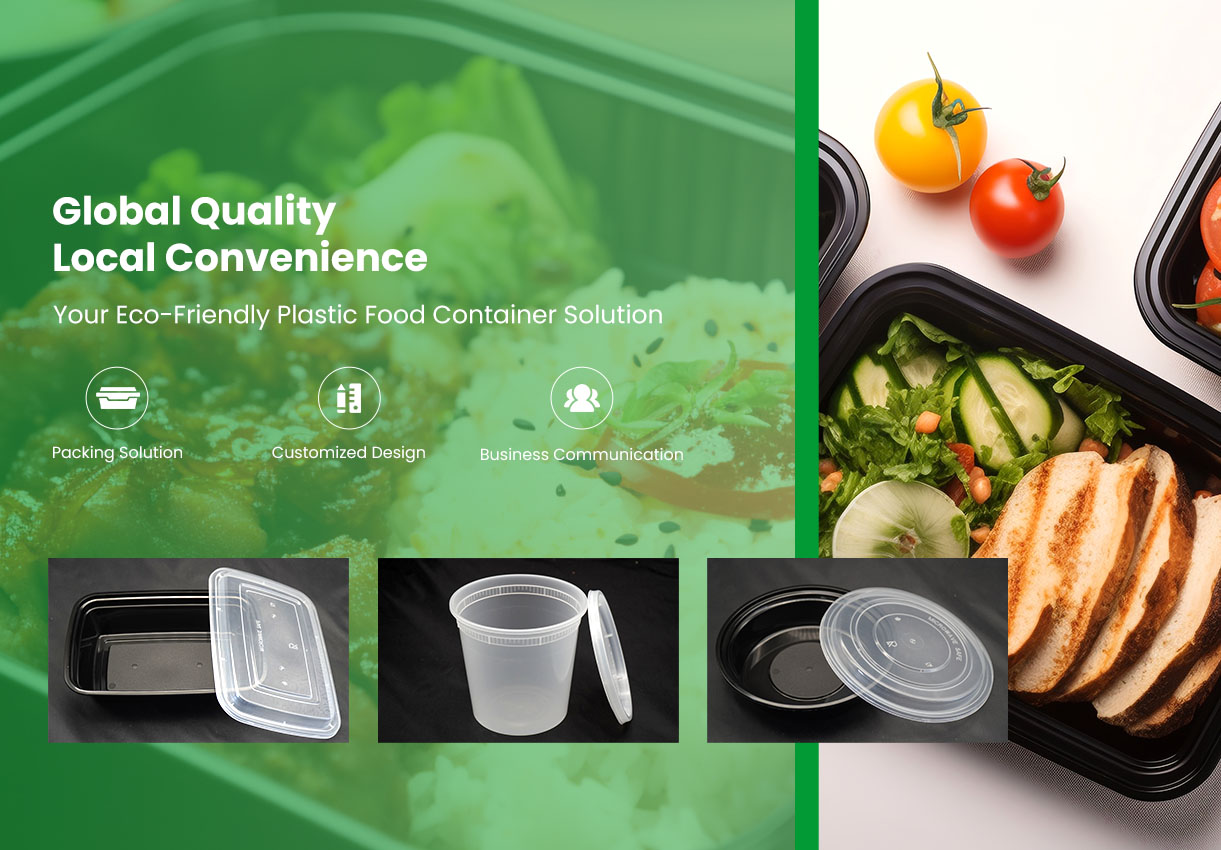
plastic containers are widely used in homes, restaurants, and industrial food packaging because they are lightweight, durable, and inexpensive. However, not all foods are suitable for long-term storage in plastic. Some can react with the material, absorb unwanted chemicals, or cause quality degradation. Understanding which foods should be avoided helps maintain freshness, safety, and taste integrity.
Acidic and oily foods pose the greatest risk when stored in plastic. The acids and fats can interact with the polymers, causing the release of harmful chemicals or altering the flavor of the food.
1. Tomato-based sauces and pickles
Tomatoes, ketchup, and pickled vegetables have high acidity levels that can corrode certain plastics over time. The acid can break down the container’s surface, leading to leaching of bisphenols or phthalates. For long-term storage, glass or ceramic jars are much safer.
2. Citrus fruits and juices
Lemon, lime, and orange juices can cause degradation of low-quality plastic. The citric acid may cause softening or discoloration of the container, especially when exposed to heat or sunlight. Always use glass or BPA-free food-grade bottles for citrus-based liquids.
3. Oily and fatty foods
Oils, butter, and dishes with heavy fat content can absorb plasticizers from containers. This can lead to unwanted odors and chemical contamination. Stainless steel or glass jars are recommended for these foods.
Temperature plays a significant role in the interaction between food and plastic. When heated, plastic materials can release trace chemicals into food, even if the exposure is brief.
1. Soups, stews, and curries
Hot liquids can soften the plastic’s structure, increasing chemical migration. It is safer to let the food cool before transferring it to a plastic container. Using glass bowls or stainless steel pots for hot meals avoids this issue entirely.
2. Freshly cooked rice and pasta
Steaming hot rice and pasta may retain heat that softens the plastic surface, particularly with thin or disposable containers. This can cause deformation and alter the food’s taste. Opt for heat-resistant glass containers when storing freshly cooked meals.
3. Coffee and tea
Pouring boiling liquids into plastic cups can cause release of monomers or additives used in manufacturing. To maintain beverage purity, it is better to use ceramic or stainless steel mugs.
Certain foods carry intense colors and odors that can be absorbed by plastic containers, making them difficult to clean and affecting future storage.
1. Garlic, curry, and onions
These foods contain sulfur compounds and aromatic oils that adhere to plastic surfaces. Even after washing, the smell can persist. Airtight glass jars with silicone seals are far more suitable.
2. Beetroot, turmeric, and kimchi
Color-rich foods like beetroot or turmeric stain plastics easily, leaving red or yellow marks that cannot be removed. Fermented foods such as kimchi also produce gases that can warp the lid of a plastic container. Choose tempered glass storage instead.
3. Fish and seafood
The natural oils and proteins in fish can cling to plastic, leading to lingering odors. Moreover, storing seafood in sealed plastic for long periods can trap moisture, encouraging bacterial growth. Use vacuum-sealed glass or stainless containers instead.
Fermentation generates gases and acids that may distort plastic containers or cause them to burst if sealed too tightly. Similarly, high-sugar foods can interact poorly with plastic during crystallization or spoilage.
| Food Type | Risk | Recommended Storage |
|---|---|---|
| Yogurt, sauerkraut | Acidic reaction and pressure buildup | Glass jars with loose-fitting lids |
| Honey, syrups | Sugar crystallization and plastic adhesion | Glass or ceramic pots |
| Kombucha | Carbonation pressure may cause cracking | Thick glass bottles with metal caps |
| Vinegar-based condiments | Acidity causes leaching | Stainless steel or glass bottles |
Proper container choice extends the product’s freshness and prevents off-flavors that come from material degradation.
To ensure food quality, storage containers should be chosen based on material safety and compatibility with different food types.
1. Glass containers
Glass is non-porous, heat-resistant, and chemically stable. It does not absorb flavors or release harmful substances. It is ideal for storing acidic foods, oils, and beverages.
2. Stainless steel containers
These are highly durable and hygienic, suitable for both hot and cold storage. They are resistant to corrosion and odor retention, making them perfect for everyday use and food transport.
3. Food-grade silicone
Silicone offers flexibility and excellent heat resistance. It is a good choice for freezing, microwaving, and baking. For certain fresh or moist foods, it provides a safe and reusable alternative.
If plastic containers are still necessary, always select high-quality, food-grade materials that comply with international safety standards. Look for BPA-free, FDA-approved, or EU-certified products. Plastics marked with recycling codes #2 (HDPE) and #5 (PP) are generally considered safer for food contact. Avoid containers labeled #3 (PVC) and #7 (other), as they may contain harmful additives.
For businesses and households seeking reliable, eco-conscious food packaging solutions, LVHUI offers a wide range of recyclable and food-safe plastic products. LVHUI specializes in developing sustainable packaging using advanced polymer technologies that minimize environmental impact while maintaining strength and hygiene. Their containers are designed to meet international standards, ensuring safety for dry goods, bakery products, and general food storage.
Not all plastics are suitable for every type of food. Acidic, oily, or hot items can trigger unwanted reactions, while pungent or fermenting foods can compromise the container’s integrity. Opting for safer materials like glass, stainless steel, or certified food-grade plastics helps preserve freshness, flavor, and safety. Sustainable producers such as LVHUI provide a modern, environmentally friendly approach to food storage, combining safety with performance for both home and industrial use.