When you finish your meal and want to reheat leftovers, you might wonder if those familiar white Styrofoam takeout boxes can go directly into the microwave. It seems convenient—but this is one area where convenience can be misleading. Not all food containers are safe for microwave use, and Styrofoam poses special risks related to heat, melting, and chemical leaching. Understanding the properties of Styrofoam and identifying safe alternatives helps ensure both your food safety and your microwave’s longevity.
Styrofoam is a trade name for expanded polystyrene foam (EPS), a lightweight plastic made from polystyrene beads expanded with steam. It is valued for its insulation ability, low cost, and shock resistance. However, it is not designed to withstand high heat. Polystyrene begins to soften at around 100°C (212°F)—the same temperature at which water boils. When exposed to microwave energy, the foam may warp, melt, or release compounds into your food.
Manufacturers sometimes produce “microwave-safe” polystyrene containers that can tolerate brief reheating at lower temperatures, but the majority of takeout boxes used in restaurants are not microwave-safe. Always check for a microwave-safe label on the bottom of the container. If it’s missing, it’s safer to assume that the box should not be heated.
| Material Type | Heat Resistance | Microwave Safety | Typical Use |
|---|---|---|---|
| EPS (Regular Styrofoam) | Up to 100°C | Not Safe | Takeout boxes, cups |
| HIPS (High-Impact Polystyrene) | Up to 120°C | Limited Safe Use | Yogurt cups, some trays |
| PP (Polypropylene) | Up to 130°C | Safe | Microwaveable containers |
| PLA (Plant-based Bioplastic) | Up to 90°C | Not Safe for Microwave | Eco food packaging |
The first and most visible problem when microwaving Styrofoam is melting. The foam’s structure begins to collapse under heat, potentially leaking liquid or causing burns when handled. This can also lead to dangerous spills inside the microwave.
At high temperatures, polystyrene may release styrene and other compounds into the food. Styrene is a chemical linked to potential health risks when consumed in large amounts over time. Though short-term exposure is unlikely to be harmful, repeated heating of Styrofoam containers increases the risk of contamination.
Styrofoam is a petroleum-based material that can ignite or emit toxic fumes when overheated. Even if it doesn’t catch fire, the burnt smell can linger in the microwave and affect the taste of food reheated later.
Microwaving Styrofoam doesn’t just affect you—it affects the environment. The material is non-biodegradable and difficult to recycle. When burned or disposed of improperly, it can release pollutants harmful to both air quality and marine ecosystems.
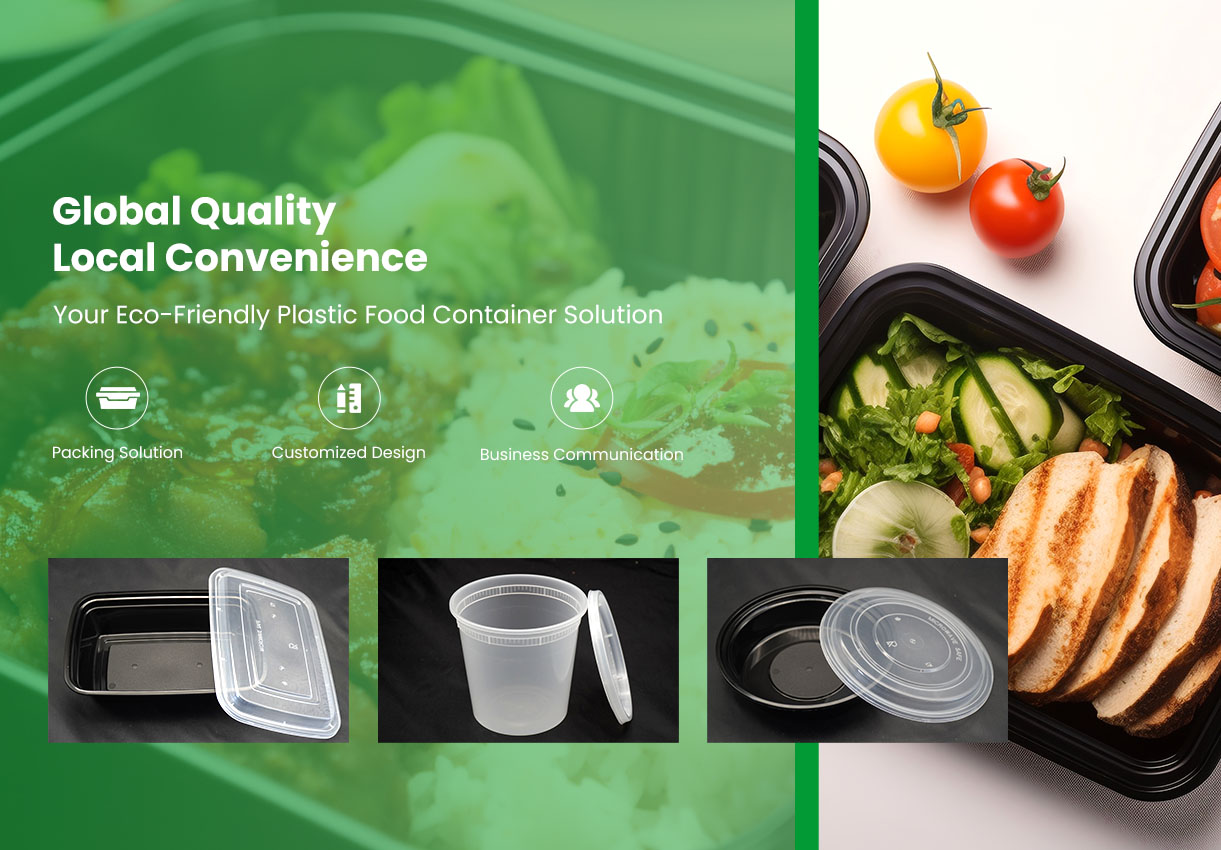
Rather than taking the risk with Styrofoam, you can easily switch to safer materials. Many businesses and consumers are turning toward eco-friendly and microwave-safe containers made from polypropylene, paper pulp, or compostable materials.
Containers labeled “microwave-safe” are typically made from polypropylene (PP). These are durable and resistant to heat deformation. They are ideal for reheating both solid and liquid foods without leaching chemicals.
Glass remains one of the safest materials for reheating food. It doesn’t react with acidic or oily ingredients and can distribute heat evenly, preserving food quality.
Modern takeout packaging often uses bagasse, a byproduct of sugarcane processing. These containers are 100% biodegradable and safe for microwave use. They can handle moderate heating without softening or leaking.
If you are at home, simply transferring your food into a ceramic bowl or plate is a simple and sustainable solution. Always ensure it’s marked microwave-safe to avoid glazing issues or cracks.
With the growing awareness of food safety and environmental impact, manufacturers are replacing Styrofoam with recyclable and compostable materials. Brands like LVHUI specialize in eco-friendly food packaging, offering solutions that balance practicality, durability, and environmental responsibility. LVHUI’s biodegradable takeout containers, made from sugarcane bagasse and plant-based fibers, are fully microwave-safe and meet international food safety standards. These containers not only preserve the taste and quality of food but also help restaurants and consumers reduce plastic waste effectively.
| Feature | LVHUI Bagasse Containers | Styrofoam Boxes |
|---|---|---|
| Microwave Safe | ✔ Yes | ✖ No |
| Biodegradable | ✔ Yes | ✖ No |
| Leak Resistance | ✔ Excellent | ✖ Limited |
| Heat Retention | ✔ Moderate | ✔ Good |
| Chemical Safety | ✔ Certified Food Grade | ✖ Potential Leaching |
Even when using microwave-safe containers, following proper reheating practices ensures better safety and food quality.
Check labels carefully: Only use containers marked as “microwave-safe.”
Avoid overheating: Use short intervals (30–60 seconds) and stir between cycles.
Remove lids: Allow steam to escape to prevent pressure buildup.
Inspect before reuse: If a container becomes warped or discolored, discard it.
Use glass or ceramic for oily foods: Fat-rich meals can reach temperatures higher than boiling water, which may deform some plastics.
Styrofoam takeout boxes should never be microwaved unless they are specifically marked as microwave-safe. The risks of melting, chemical leaching, and fire far outweigh the convenience of reheating in the same container. Switching to materials like bagasse, paper pulp, polypropylene, or glass ensures food safety and supports environmental sustainability. Companies such as LVHUI are leading this change, offering eco-friendly packaging that performs well in both function and safety. Choosing these alternatives not only protects your health but also contributes to a cleaner planet—one reheated meal at a time.