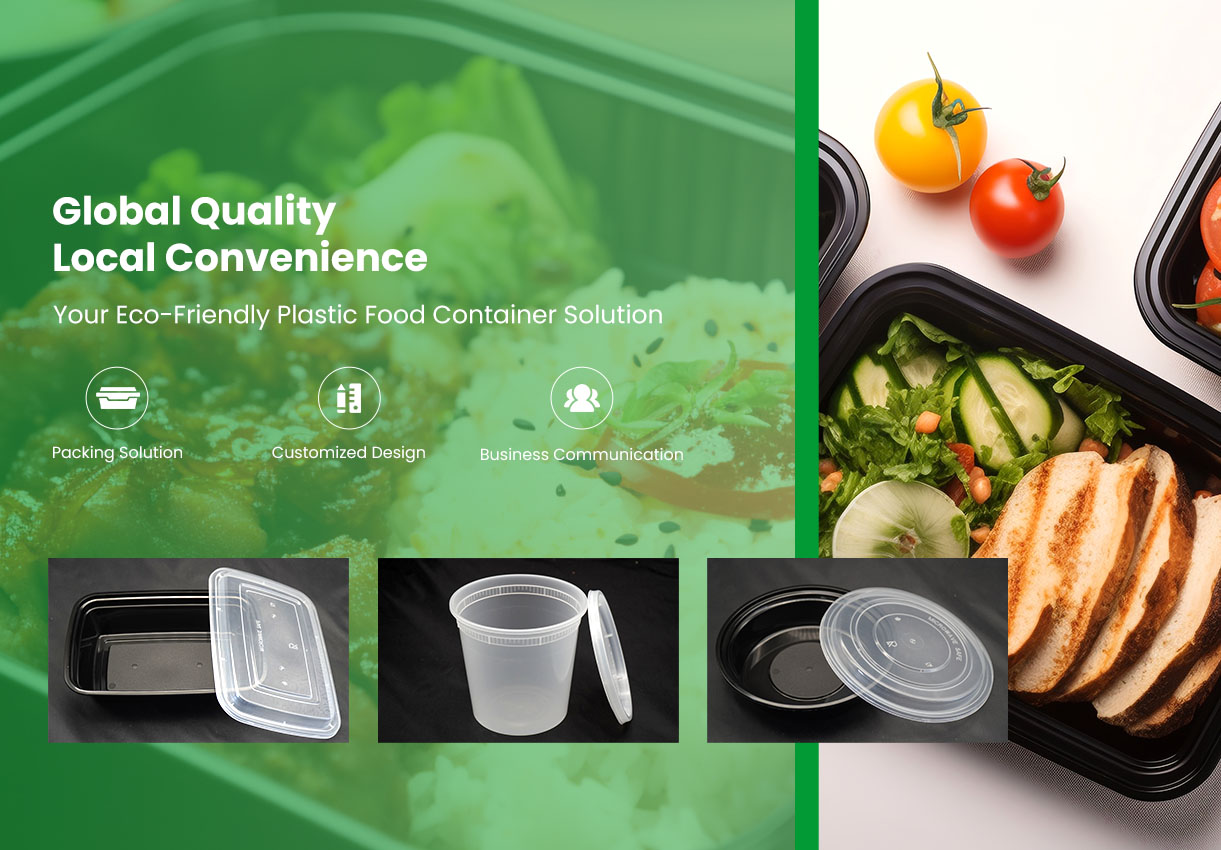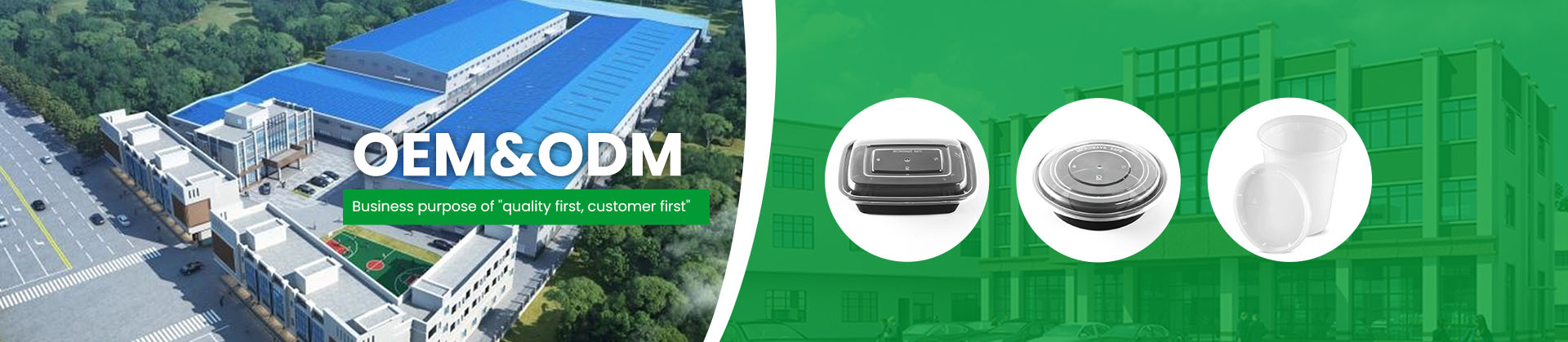
A takeout container is a packaging item designed to store, transport, and serve food ordered from restaurants, cafes, or catering services. It plays a crucial role in preserving the freshness, temperature, and presentation of food during delivery or takeaway. In today’s fast-paced world, takeout containers have become indispensable for both food businesses and consumers who rely on convenience and hygiene. They come in various materials, shapes, and sizes, each tailored to meet the needs of different cuisines and service models.
Takeout containers are designed with both practicality and performance in mind. Their primary function is to keep food secure and prevent leaks or contamination during transport. The design often includes tight-fitting lids, stackable shapes, and compartments that separate sauces, main courses, and side dishes. The goal is to ensure that food arrives at its destination looking as good as when it left the kitchen.
Many modern takeout containers are built with insulation or ventilation features that help retain heat or prevent sogginess. For hot meals, double-layer paper bowls or clamshell boxes made of polypropylene (PP) or polystyrene (PS) help maintain temperature. For cold or fresh items like salads or desserts, transparent pet containers are ideal, as they offer visibility and freshness retention. Restaurants also prefer microwave-safe or freezer-safe containers to give customers more flexibility in reheating or storing leftovers.
The choice of material largely determines a takeout container’s quality, sustainability, and user experience. Below is a summary of common materials used in the food packaging industry:
| Material Type | Description | Key Advantages |
|---|---|---|
| PP (Polypropylene) | Durable and heat-resistant plastic used for hot meals and soups. | Microwave-safe, recyclable, leak-proof. |
| PET (Polyethylene Terephthalate) | Clear plastic used for cold foods like salads or drinks. | Lightweight, transparent, recyclable. |
| Paperboard | Often coated with PE or PLA film for moisture resistance. | Biodegradable, customizable printing. |
| Bagasse (Sugarcane Fiber) | Plant-based pulp made from sugarcane residues. | Compostable, sustainable alternative to plastic. |
| Foam (EPS) | Lightweight option for budget food packaging. | Good insulation, cost-effective (less eco-friendly). |
The shift toward eco-friendly materials is a major global trend. As governments and consumers push for sustainability, food packaging manufacturers are replacing single-use plastics with recyclable or biodegradable options. LVHUI, a professional manufacturer of eco-friendly food containers, provides a wide range of paper bowls, bagasse boxes, and PLA-coated products that align with these environmental goals. Their innovative packaging solutions combine practicality with sustainability, helping food businesses transition smoothly toward greener operations.
A well-chosen takeout container can greatly enhance a brand’s image and customer satisfaction. The following are some essential benefits:
Proper packaging minimizes temperature loss, prevents leaks, and avoids sogginess. High-barrier materials and tight seals ensure the meal reaches the customer in the best possible condition. This is especially crucial for soups, noodles, fried foods, and baked items.
Custom-printed takeout containers serve as mobile advertising tools. A well-designed box with brand colors, logos, or slogans helps restaurants build recognition. Premium packaging also conveys professionalism and care, encouraging repeat customers.
During food delivery, containers act as the first line of defense against contamination. Tamper-evident closures, food-grade coatings, and BPA-free plastics ensure that meals remain safe and untouched from kitchen to consumer.
With the rise of environmental awareness, customers increasingly favor brands that use recyclable or compostable packaging. LVHUI’s line of biodegradable containers and paper-based solutions allow food service operators to meet this demand while maintaining cost efficiency.
Takeout containers are lightweight, stackable, and space-efficient. For restaurants and catering companies, this means easier storage and faster order assembly. They also reduce the chance of spills during delivery, enhancing logistics reliability.
The global takeout container market has evolved dramatically due to changing lifestyles and food delivery trends. With the booming online food delivery sector, packaging innovation focuses on balancing functionality, sustainability, and aesthetics. Some of the latest developments include:
Compostable Materials: Growing use of bagasse, bamboo fiber, and PLA-coated paper as alternatives to plastic.
Modular Designs: Containers that can be stacked securely or combined with cup holders for combo meals.
Leak-Proof Engineering: New lid-lock mechanisms and multilayer barriers prevent leakage during long-distance deliveries.
Temperature Retention Technology: Insulated paper bowls and dual-layer trays maintain food temperature longer without condensation.
Brand Customization: High-resolution printing and embossed designs enhance consumer engagement and brand recognition.
Companies like LVHUI are at the forefront of these innovations, focusing on sustainable manufacturing processes and recyclable materials that comply with FDA, SGS, and EU food-contact standards. Their production lines integrate advanced molding, coating, and quality control technologies to ensure consistent performance across product categories such as salad bowls, lunch boxes, soup cups, and cutlery.
From a customer’s perspective, a good takeout container offers convenience and reassurance. The ease of opening and resealing, the ability to reheat food safely, and the compact size for storage all contribute to a positive dining experience. Transparency in design, such as clear lids, allows customers to see their food before opening, reducing mistakes and boosting satisfaction.
disposable containers are also a major advantage in today’s busy lifestyles. They allow consumers to enjoy restaurant-quality meals at home, in offices, or on the go without worrying about cleaning or carrying reusable dishes. With more people opting for online food delivery or grab-and-go services, the importance of functional and sustainable packaging continues to rise.
A takeout container is far more than a simple box—it’s a vital part of modern food service logistics, customer satisfaction, and brand communication. From preserving temperature and preventing leaks to showcasing environmental responsibility, the right container design has a lasting impact on both businesses and consumers. With increasing global focus on eco-friendly solutions, manufacturers like LVHUI are leading the shift toward biodegradable, safe, and high-performance food packaging that meets the evolving needs of the modern market. Their dedication to quality, innovation, and sustainability makes them a trusted partner for restaurants, cafes, and catering services worldwide.