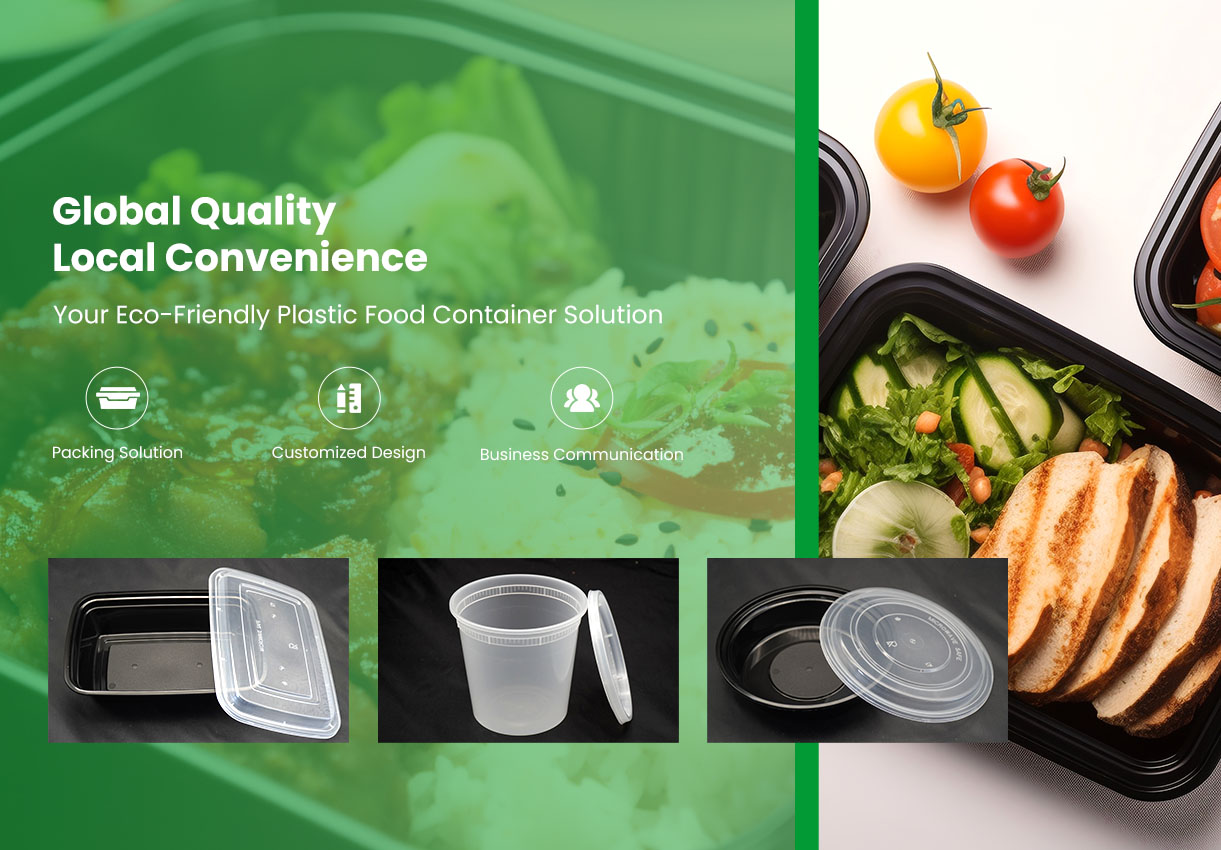
A distributor rarely serves one menu or one type of food operation. Restaurants, caterers, supermarkets, and delivery brands all need different volumes and shapes. A practical range of food packaging containers therefore performs better than a catalog built around one universal box, allowing serving needs to be covered within an organized range.
A small side dish, a standard rice meal, and a family-size entrée create different requirements for usable volume, headspace, weight support, and lid security. When the box is too large, the portion looks smaller and moves during delivery. When it is too small, staff overfill it, press food against the lid, and increase the risk of leakage.
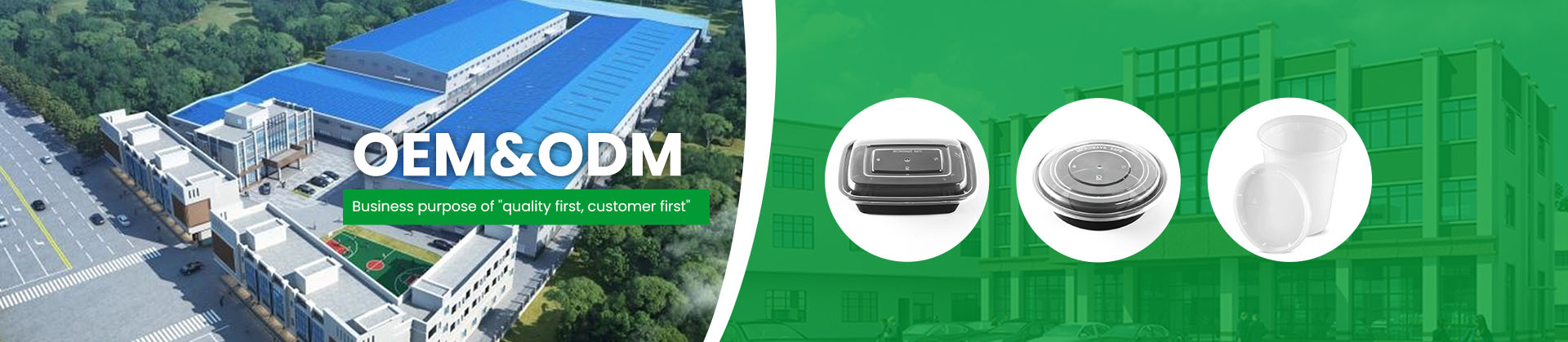
The goal is not to offer every capacity but to build a controlled size ladder. Compact containers can serve sauces and sides, medium formats individual meals, and larger boxes shared portions. Round, rectangular, and clamshell formats then cover different food behaviors without excessive duplication. Product catalogs in this sector commonly combine soup cups, round and rectangular containers, and lunch-box structures. (LVHUI)
| Size Position | Typical Application | Main Purchasing Check |
|---|---|---|
| Small | Sauce, fruit, side dishes | Portion visibility and lid fit |
| Medium | Rice meals, pasta, salads | Stackability and usable depth |
| Large | Mixed entrées, family portions | Bottom support and top-load strength |
| Deep round | Soup, noodles, curry | Headspace and leak resistance |
| Divided box | Set meals and catering | Divider height and closure accuracy |
A distributor with only one or two capacities may lose orders even when the material and price are competitive. Buyers often want to source several related sizes from one supplier so the packaging looks consistent across the menu. Matching lid styles, colors, surface finish, and carton labeling makes the range easier to present and reorder.
A coordinated family also supports cross-selling. A customer buying a medium meal box may later need a soup cup, larger tray, or divided version. Clear size roles make the next recommendation easier.
Offering several capacities does not always mean stocking a separate lid for every base. Some container families use a common top diameter or matching rim, allowing two or more depths to share one lid. This can reduce SKU count, warehouse errors, and slow-moving lid inventory.
Shared-lid claims must still be verified with production samples. Closure should remain consistent across every base depth and batch; otherwise, the inventory saving is quickly lost.
A packaging distributor supplier should study order frequency, customer type, and regional menu habits before recommending the initial assortment. Fast-moving sizes deserve deeper stock. Specialized capacities can be kept for project orders or supplied under a forecast.
The manufacturer should provide external dimensions, usable capacity, brim capacity, piece weight, carton quantity, and pallet data. These details help the distributor calculate storage density and landed cost rather than comparing only unit price.
Too few sizes limit market coverage, while too many create dead stock and picking errors. The best portfolio uses a small number of clearly separated capacities, compatible components where practical, and standard specifications for repeated production.
Multiple size containers give distributors flexibility, but their real value comes from disciplined range design. When each size solves a defined portion or menu problem, food packaging containers become easier to sell, warehouse, replenish, and expand across different foodservice accounts.