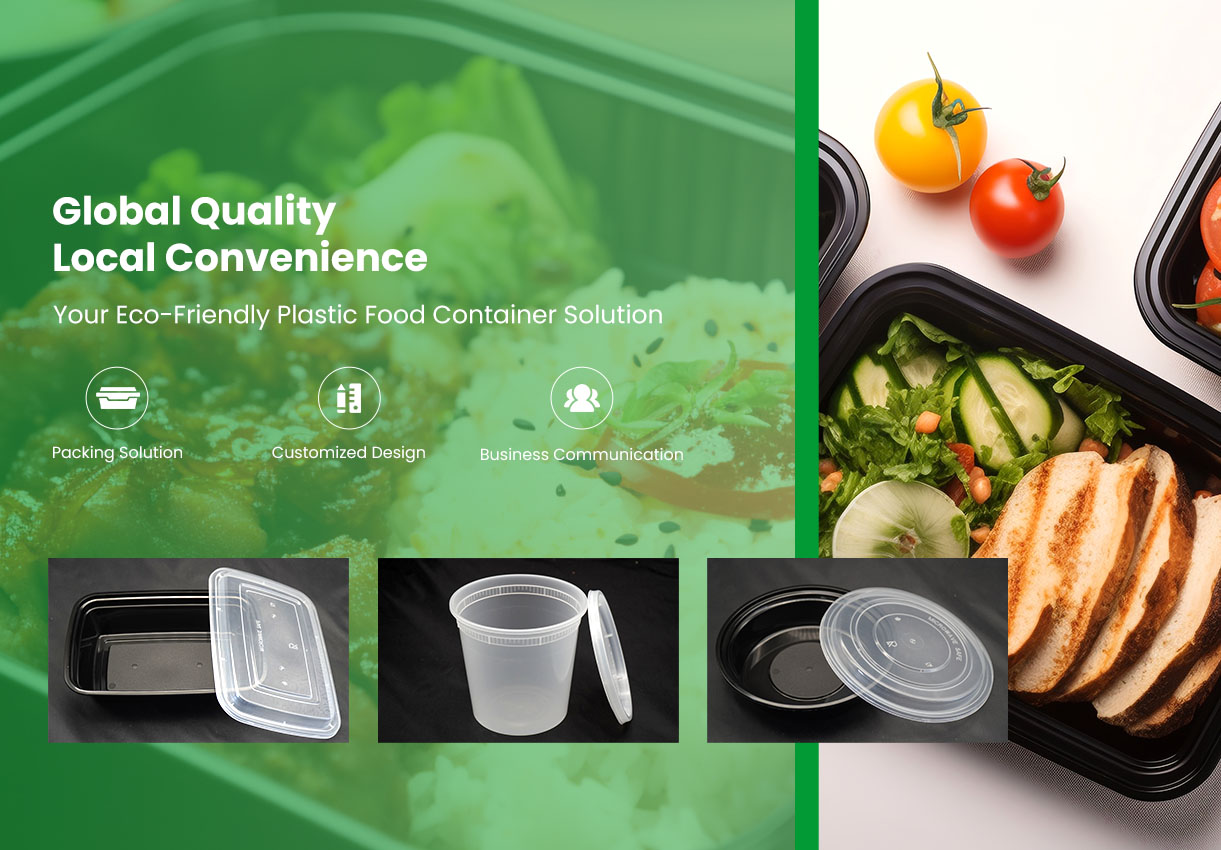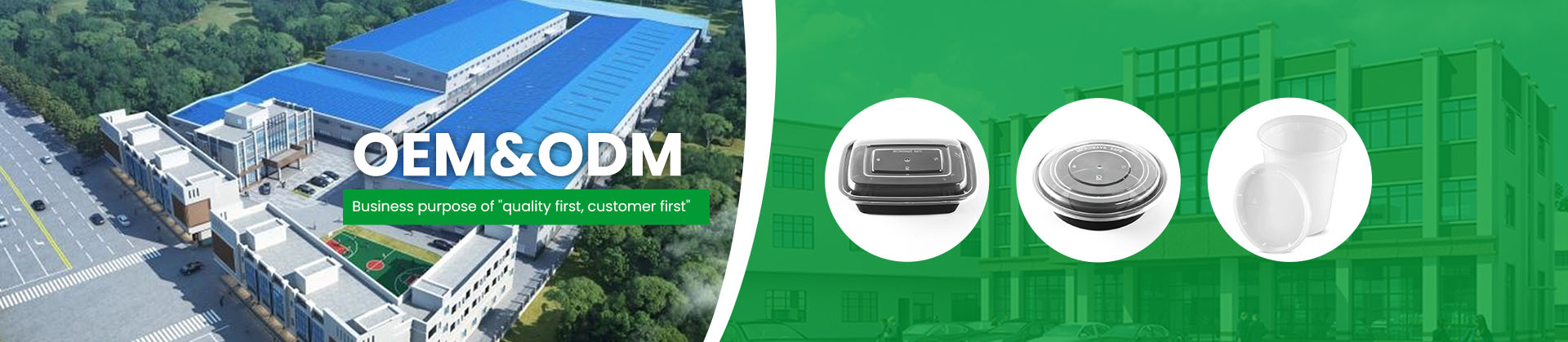
Food containers can support custom branding, but the right method depends on order quantity, container material, product shape, printing area, usage temperature, and the buyer’s sales channel. Branding is not only about adding a logo. It can also include color, size, lid style, label position, carton mark, product structure, and a packaging look that matches the food concept.
For takeaway chains, catering companies, supermarkets, burger shops, meal-prep businesses, and distributors, branded food containers help make packaging easier to recognize. Packaging industry research shows that brand consistency can improve customer recall, while retail studies often show that packaging design strongly affects first purchase decisions. In foodservice, this value becomes even clearer because the package travels with the meal.
Customization can be simple or more detailed. Some customers only need logo printing. Others need a container size that fits a special burger, salad, rice meal, dessert, or combo set. LVHUI can discuss the real use scenario first, then suggest a practical customization method.
Common options include:
Logo printing on lids or container surfaces
Custom colors for selected product types
Private label carton marks
Adjusted size for food portion needs
Matching lids for special meal formats
Packaging selection for hot, cold, fresh, or frozen food
This makes custom food containers useful for both daily foodservice and retail display.
A beautiful logo will not solve leakage, deformation, or poor stacking. Before custom design starts, the container must fit the food first. Hot meals need heat resistance. Soup needs lid stability. Burgers need height protection. Salads need clear display. Frozen meals need cold storage performance.
For example, a Customized Size Disposable Hamburger Box should keep the bun shape, leave enough height for fillings, and close without pressing the food too tightly. If the box is only designed by outer size, the final user experience may still be poor.
As an OEM packaging supplier, LVHUI usually recommends customization when the customer has stable usage volume, clear food dimensions, and repeat order demand. For new food concepts, standard samples may be tested first before moving to customized molds or printed packaging.
This approach helps reduce risk. Buyers can check whether the material, size, lid, stacking, and delivery performance are suitable before investing in a more specific branding plan.
| Branding Method | Practical Value |
|---|---|
| Logo printing | Improves brand recognition during takeaway and delivery |
| Custom carton marks | Helps warehouse sorting and distributor management |
| Special size | Fits food better and reduces empty space |
| Color selection | Supports visual identity for product categories |
| Matched lid design | Improves appearance and packing consistency |
Before ordering a Custom Food Container, buyers can prepare food size, filling height, serving temperature, storage method, expected quantity, printing artwork, and target packing style. These details help the supplier give a more accurate recommendation.
For printed packaging, artwork clarity and printing position are important. For structural customization, mold cost, sample time, material selection, and minimum order quantity should be discussed early. LVHUI can help customers compare standard options and custom solutions based on actual procurement plans.
LVHUI focuses on packaging that looks professional and works in real foodservice conditions. Our team can support size selection, sample checking, logo packaging discussion, carton packing planning, and repeat supply coordination.
Custom branding is possible for many food containers, but it should be built on reliable structure, suitable material, and practical order planning. When branding and function are developed together, packaging can improve presentation, protect food better, and create a more consistent customer experience.