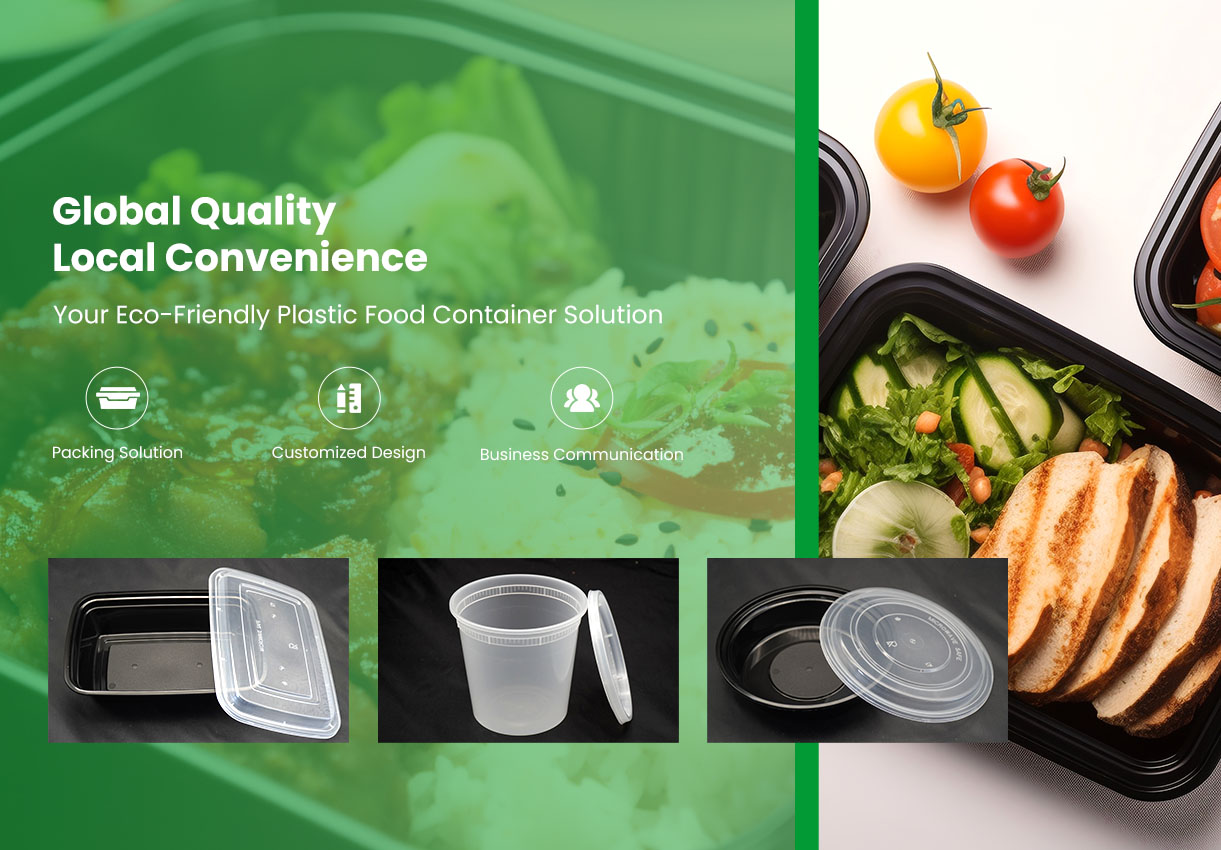
Many hot meal packaging failures are not caused by PP material itself, but by choosing the wrong structure, thickness, lid match, or filling method for the food temperature. Polypropylene is widely used for takeaway meals because it has better heat resistance than PET and PS, and food-contact guidance from the FDA recognizes food packaging as a regulated food-contact substance. Polymer data commonly places PP melting around 160°C, while practical continuous heat exposure is usually much lower, often around 82°C to 120°C depending on grade and design.
PP food containers can hold hot meals, but they still have limits. When rice, soup, curry, fried dishes, or steamed food is packed immediately after cooking, the container may face heat, steam, oil, and stacking pressure at the same time.
Deformation usually appears in three ways: the base becomes uneven, the side wall bends outward, or the lid no longer fits tightly. This is why buyers should not judge a container only by capacity. The wall thickness, rim support, bottom design, and material grade all affect performance.
High filling temperature
Freshly cooked food can stay above 80°C for a period after packing. If the container is thin, heat may soften the wall before the meal reaches the customer.
Heavy oil or liquid content
Oil-based meals transfer heat more strongly than dry food. Soup and sauce also create side pressure during movement.
Weak bottom structure
A flat but thin base may look clean, yet it can sink when filled with hot rice or dense meals. A reinforced bottom improves load support.
Stacking too early
When filled containers are stacked before heat drops, the lower layer carries both food weight and thermal pressure.
Poor lid fit after heating
If the rim expands or bends, the lid may become loose. This is especially important for pp soup containers used in delivery meals.
LVHUI does not treat Disposable Plastic Containers as simple low-cost packaging. We pay attention to mold accuracy, rim strength, material stability, and container-lid matching because these details decide whether the package performs well during real delivery.
For hot meals, our team can recommend suitable container depth, lid type, capacity, and packing method based on the customer’s food category. A rice box, a soup bowl, and a meal tray should not use the same structure standard.
| Food Type | Main Risk | Suggested Packaging Focus |
|---|---|---|
| Hot rice meals | Bottom sinking | Thicker base and stronger wall |
| Soup meals | Lid loosening | Tight rim and matched lid |
| Curry or sauce meals | Heat and oil pressure | Stable PP grade and deep structure |
| Fried food | Steam softening | Venting control and lid selection |
| Meal prep sets | Stacking deformation | Reinforced edge and carton planning |
A useful test should copy the real delivery process. Fill the container with hot food, close the lid, stack several layers, place them in a delivery bag, and check the shape after 20 to 30 minutes. This gives a clearer result than testing an empty box by hand.
Buyers should also confirm microwave requirements, carton compression strength, lid tightness, and whether the container keeps its shape after holding hot food. As a restaurant packaging supplier, LVHUI can help customers compare samples before order confirmation and reduce mismatch during procurement.
Good packaging is not only about material name. PP is suitable for many hot meal uses, but stable performance depends on design and production control. LVHUI supports buyers with practical hot meal packaging choices that match takeaway food, kitchen operation speed, delivery stacking, and repeat supply needs.