Food packaging decisions often look simple at first, but for takeaway, delivery, and prepared meals, the material behind the container affects cost control, heat resistance, sealing stability, product appearance, and market positioning. That is why the discussion around PP vs biodegradable containers matters so much. Both options are widely used in modern foodservice, yet they solve different problems.
PP containers are made from polypropylene, a plastic known for good heat resistance, light weight, and reliable structure. Biodegradable containers are usually made from plant-based or fiber-based food packaging materials designed to reduce long-term environmental impact under suitable disposal conditions. On the surface, both can carry food. In practice, their performance can be quite different when exposed to hot dishes, oily meals, cold storage, transport pressure, and pricing pressure.
For buyers comparing plastic containers, eco containers, the better option is rarely decided by trend alone. It depends on how the package will be used, how far the meal will travel, what kind of food it holds, and what message the brand wants to send.
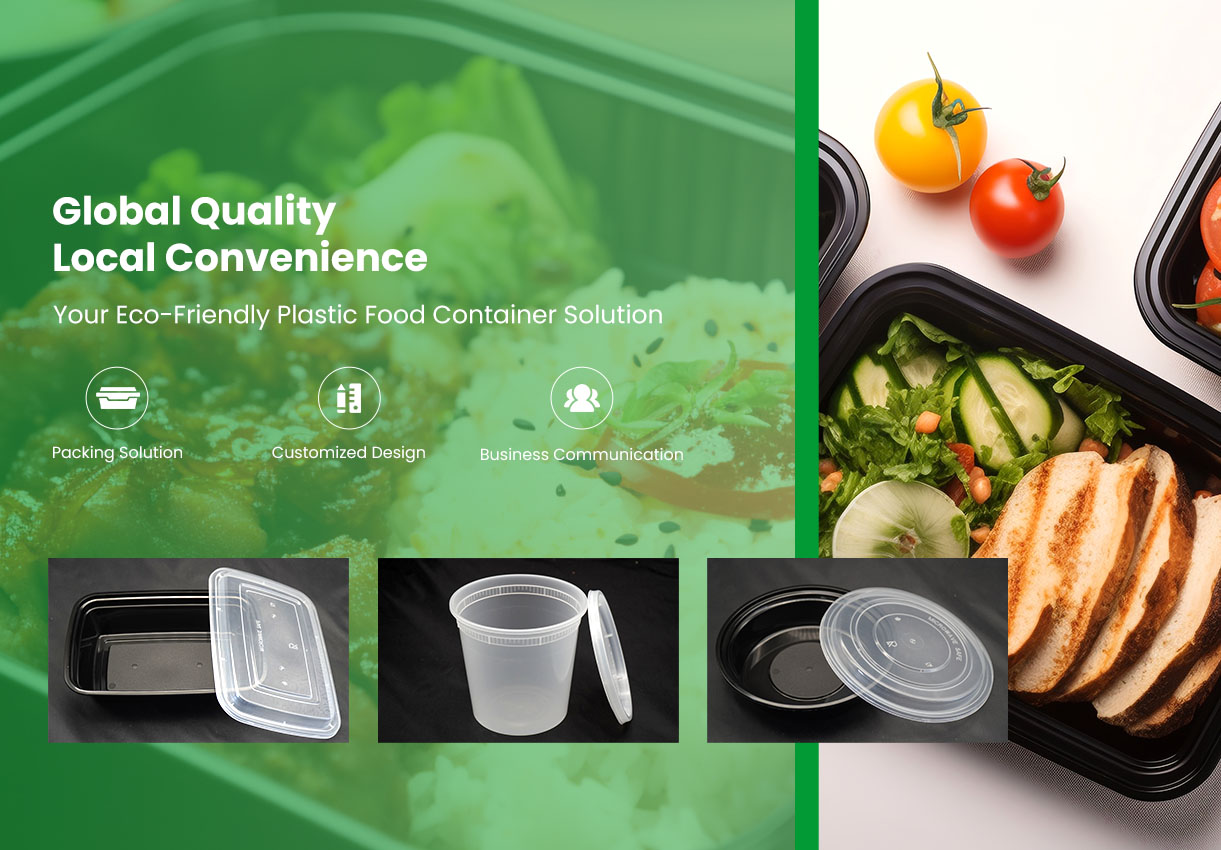
PP food containers are widely chosen because they balance function and cost. They are commonly used for rice meals, soups, noodles, salads, deli foods, and microwave reheating. A well-made PP container keeps its shape under normal takeaway conditions and supports fast, efficient packing lines.
The biggest strength of PP is practical performance. It handles heat better than many low-cost plastics, resists moisture well, and works for a broad range of lids and compartment designs. For operators serving hot food, this reliability matters because container failure does not just damage the meal. It also damages customer trust.
Another advantage is consistency in large-volume supply. PP containers are typically easier to standardize across dimensions, wall thickness, stacking behavior, and sealing fit. That helps distributors, restaurants, and packaging buyers maintain smoother purchasing and inventory planning.
Biodegradable containers are often selected when packaging needs to support a greener brand image or meet customer expectations around sustainability. A biodegradable meal box can be attractive for cafés, meal delivery brands, and foodservice operators that want packaging with a more natural appearance and a lower conventional plastic profile.
These products are often associated with molded fiber, bagasse, starch blends, or other renewable-source materials. Their appeal is not only environmental messaging. They can also give the product presentation a more premium and modern look, especially for organic, healthy, or environmentally conscious food brands.
That said, biodegradable does not automatically mean better in every application. Some biodegradable options perform well with dry or moderately hot meals, while others may be less suitable for oily dishes, long holding time, or heavy liquid content. Disposal conditions also matter. Performance claims and end-of-life expectations should be checked carefully before large-volume procurement.
The difference between PP and biodegradable food containers, which food container is better for takeaway comes down to five operational questions.
PP is usually stronger for hot, oily, and microwave-ready meals. It is often the safer choice when the menu includes soups, curries, stir-fried dishes, or foods that stay hot for a long time after packing.
Biodegradable containers can work very well for many meals, but the exact performance depends on the material formula and structure. Some are excellent for short-service use, while others need extra care when used with high heat or high moisture content.
PP tends to offer more dependable resistance against compression, flexing, and lid displacement during delivery. This is especially important for stacked orders, courier transport, and long-distance takeaway.
Biodegradable containers may be rigid enough for many uses, but not all products behave the same way. Buyers should verify stacking strength, leak control, and edge stability in actual transport scenarios.
PP is often the more economical option for high-frequency takeaway programs. When order volume is large and packaging cost needs strict control, PP usually provides a more stable cost-performance ratio.
Biodegradable options often come at a higher unit cost. That extra cost may still be justified when the packaging supports brand value, policy compliance, or access to customers who prefer lower-plastic packaging.
PP communicates function and practicality. It is clean, efficient, and suitable for mass-market foodservice.
Biodegradable containers communicate environmental intent more directly. For brands that want a greener shelf image or want packaging to reflect a sustainability story, biodegradable materials can create a stronger visual and emotional connection.
PP is recyclable in many systems, but actual recycling depends on local collection and sorting conditions. Biodegradable packaging sounds simpler, but disposal outcomes also depend on whether the local market has the right composting or waste treatment channels. Buyers should match the packaging claim to the destination market rather than rely on general assumptions.
| Factor | PP Containers | Biodegradable Containers |
|---|---|---|
| Main Material | Polypropylene | Plant fiber or other biodegradable materials |
| Heat Resistance | Usually strong | Varies by formulation |
| Oil And Moisture Resistance | Usually reliable | Varies by product type |
| Delivery Durability | Usually stable | Needs case-by-case testing |
| Cost Level | More cost-efficient | Often higher |
| Brand Image | Functional and practical | Sustainable and premium-looking |
| End-of-Life Message | Recyclable in some systems | Compostable or biodegradable in suitable conditions |
There is no single answer to which food container is better for takeaway because takeaway is not one use case. It includes hot meals, chilled meals, fast local delivery, long holding time, and brand-sensitive retail presentation.
PP is often better when the priority is durability, heat tolerance, leak resistance, and controlled packaging cost. It fits high-volume operations that need dependable daily performance.
Biodegradable containers are often better when the priority is packaging image, sustainability messaging, or alignment with specific market expectations. They are especially relevant when end customers actively care about packaging appearance and environmental positioning.
In many real purchasing strategies, both materials are useful. A business may keep PP for high-heat and soup-based meals while using biodegradable options for selected menu lines or premium takeaway programs.
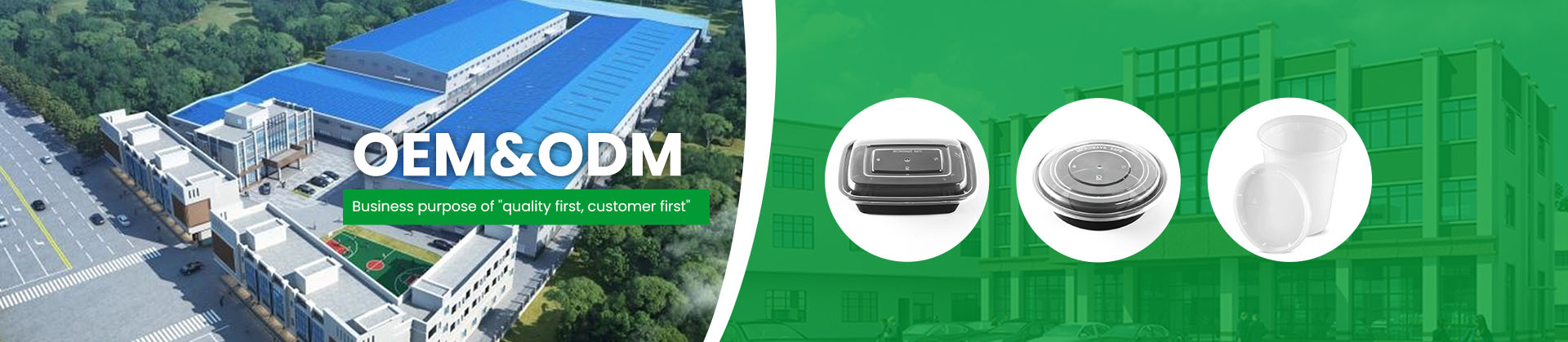
The container itself is only part of the decision. Buyers also need a supplier that can support stable production, practical product development, and dependable lead times. LVHUI focuses on disposable environmentally friendly tableware and offers product lines covering Disposable Plastic Containers, Semi-Biodegradable Lunch Boxes, Biodegradable Lunch Boxes, and soup cups. The company states that it operates from a factory of about 35,000 square meters and highlights independent production workshops, product development teams, automated production capacity, quality focus, rigorous testing, and punctual delivery.
That matters because packaging selection is rarely only about material type. Buyers also need consistency in size, lid fit, production repeatability, and order fulfillment. A supplier with both PP and biodegradable product capability can help match packaging more accurately to menu type, market demand, and procurement budget.
PP and biodegradable containers are not direct replacements in every situation. PP remains a strong solution for foodservice operations that need dependable performance, especially for hot and transport-sensitive meals. Biodegradable containers add value where sustainability image, market preference, and packaging presentation are central to the purchasing decision.
The best packaging choice starts with real use conditions: food temperature, oil content, transport distance, storage method, target selling price, and market expectations. When those factors are clear, the material decision becomes much easier and far more practical.
LVHUI supports buyers with a broad disposable tableware range that includes both plastic and biodegradable categories, making it easier to compare options based on actual application rather than guesswork.