For foodservice operations, packaging is no longer a simple purchasing line. It affects transport efficiency, food protection, compliance, storage pressure, and customer experience at the same time. A weak cost plan often looks cheap at unit level but becomes expensive after leakage, oversized cartons, mixed inventory, and waste handling are added in. A stronger strategy is to lower total packaging cost across the whole order cycle instead of chasing the lowest piece price alone. That is the practical route to reduce takeaway packaging cost without sacrificing product performance.
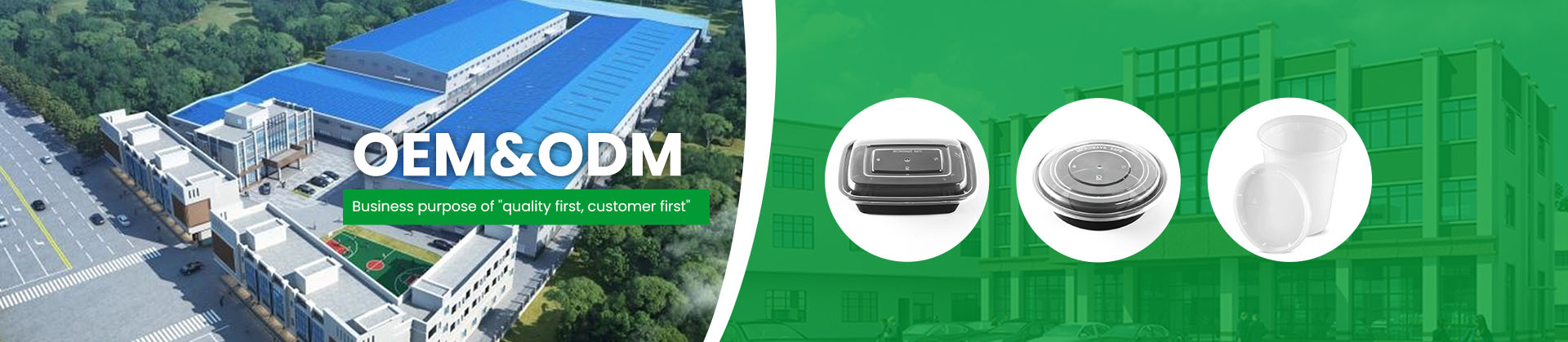
This is exactly where LVHUI has clear manufacturing value. The company operates a factory of about 35,000 square meters in Taishan, Guangdong, focuses on disposable environmental protection tableware, and offers multiple product categories including Disposable Soup Cups, Disposable Plastic Containers, Semi-Biodegradable Lunch Boxes, biodegradable lunch boxes, and standard disposable lunch boxes. Its site also highlights rigorous testing, food-grade materials, automation, advanced technology, and a broad product range that supports different packaging needs under one supplier structure.
Many buyers compare only the quoted price per box or cup. That approach misses the real drivers behind food containers cost. The total cost usually includes material selection, lid fit, freight volume, carton utilization, warehouse space, order complexity, breakage risk, and disposal requirements in the destination market. OECD data shows plastic waste is rising faster than recycling systems can handle, while the EU packaging and packaging waste regulation that applies from 2026 raises the importance of packaging design, material selection, and compliance planning. A lower unit cost can become a higher landed cost when the packaging format is inefficient or nonaligned with market rules.
A better sourcing method is to measure cost across five checkpoints: material, size accuracy, packing density, leak protection, and compliance suitability. When those five are optimized together, bulk food packaging cost savings become more stable and repeatable. This also reduces emergency reorders, damaged shipments, and slow-moving stock.
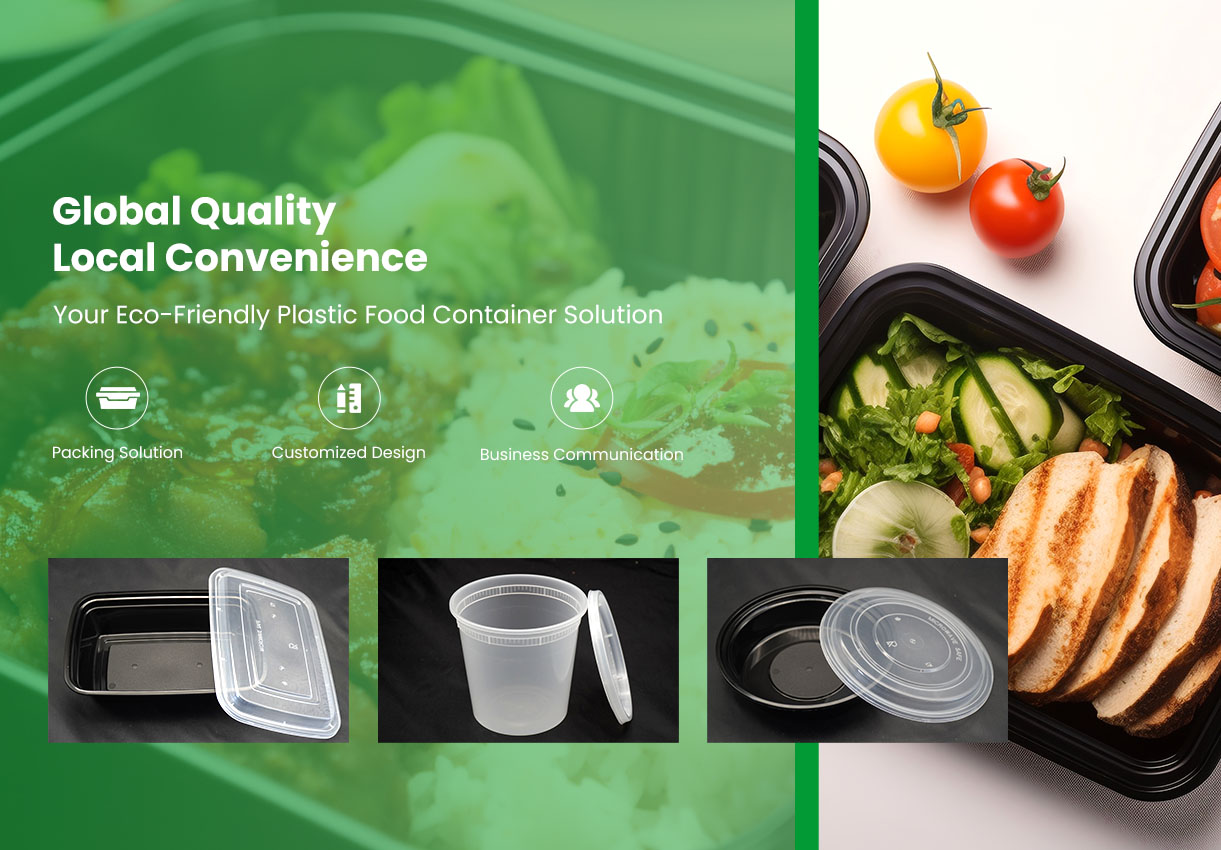
One of the fastest ways to control packaging cost is SKU reduction. Too many sizes create short production runs, fragmented inventory, and purchasing inconsistency. In takeaway packaging, a standardized size system can serve multiple menu types while improving carton loading and warehouse turnover. LVHUI supplies single-compartment and multi-compartment lunch boxes, round and rectangular containers, soup cups from 8 oz to 32 oz, and different material options. That range makes it easier to build a rational size structure instead of ordering many overlapping models.
A simplified SKU strategy often works like this:
| Control point | Cost risk when unmanaged | Better bulk order practice |
|---|---|---|
| Too many container sizes | Low volume per SKU and higher inventory pressure | Keep a core range that covers most menu portions |
| Inconsistent lid matching | More leakage and replacement cost | Use shared lid systems where possible |
| Mixed carton formats | Lower loading efficiency | Standardize outer carton dimensions |
| Separate suppliers by category | More coordination cost | Consolidate cups, boxes, and containers through one manufacturer |
This kind of bulk packaging planning improves purchasing clarity and usually lowers total handling cost at the same time.
Material selection has a direct impact on food containers cost. LVHUI states that its disposable lunch boxes use food-grade PP, aluminum, and biodegradable plant fibers, all tested for safety and aligned with international food safety standards. This gives buyers a workable material matrix for different order goals. PP can be a practical option where sealing, durability, and repeat handling matter. Plant-fiber formats can be a strong choice for operations that need a more sustainability-focused image or need to reduce conventional plastic use.
The key is to avoid over-specification. A hot soup application needs heat resistance and secure closure. A dry rice meal may need structure and stackability more than premium barrier performance. A salad line may need visible presentation and lid clarity. When the material is matched to the actual food profile, buyers can reduce takeaway packaging cost without compromising food safety or delivery performance. FAO has emphasized that packaging plays an important role in protecting food through handling and transport, which means material decisions should be based on real product movement rather than appearance alone.
Freight savings often come from structure, not negotiation. Lightweight but strong containers, stackable formats, and tighter carton planning reduce cube pressure during shipment and storage. LVHUI describes its disposable plastic containers as light yet strong, stackable, and equipped with tight-fitting lids, while its takeaway and biodegradable ranges are positioned for transport security and leak prevention. These features matter because packaging failure during delivery can erase any savings gained from low purchase price.
This is why bulk packaging should be discussed early in the quotation stage. Ask for nesting efficiency, stack stability, lid compatibility, and carton arrangement together with product dimensions. Buyers that focus only on the finished container size often overlook carton utilization and pallet efficiency. A better pack-out plan can produce real bulk food packaging cost savings across ocean freight, domestic warehousing, and final dispatch.
Leakage, lid pop-off, crushed corners, and food contamination are expensive because they create product loss, customer complaints, and replacement orders. EPA materials on food service ware note that food-contact packaging design and end-of-life performance both matter in sustainable procurement decisions, while FAO packaging guidance repeatedly links proper packaging with lower loss across the supply chain. In takeaway service, cost control starts with preventing loss before it happens.
LVHUI positions several products around leak-proof structure, freshness retention, and compartment separation. Its sectioned containers are designed to keep foods apart and avoid odor transfer, while its biodegradable takeaway containers are described as sturdy and suitable for hot or cold items. For bulk orders, these are not minor product details. They are cost-control features that reduce rework and customer claims. A reliable disposable takeaway container should protect margin by protecting the meal itself.
Packaging costs are also shaped by policy change. UNEP has reported that replacing part of takeaway plastic use with alternative materials can support meaningful reductions in plastic pollution, and OECD projects continued growth in plastic production and waste without additional action. At the same time, the EU packaging regulation adopted as Regulation EU 2025 40 increases pressure on sustainability, labeling, and packaging life-cycle performance. These changes do not only affect environmental positioning. They influence sourcing risk, material planning, and future compliance cost.
For this reason, food packaging solutions should be selected with destination-market requirements in mind. Some orders need cost efficiency first. Some need a clearer sustainability path. Some need both. LVHUI’s mix of plastic, semi-biodegradable, and biodegradable products gives buyers room to build a portfolio that fits regional demand instead of forcing every project into one material route. That flexibility can prevent expensive product changes later.
Use this framework when evaluating your next order:
| Priority | What to review | Expected cost impact |
|---|---|---|
| Material fit | Match PP, aluminum, or plant fiber to menu and market | Avoid overpaying for unnecessary performance |
| SKU control | Reduce overlapping sizes and simplify lids | Lower inventory and purchasing complexity |
| Carton planning | Improve stackability and nesting efficiency | Reduce freight and warehouse burden |
| Product integrity | Check sealing, rigidity, and leak prevention | Cut complaint and replacement cost |
| Compliance path | Review destination rules and sustainability expectations | Avoid relabeling, redesign, or clearance risk |
This framework works best when the supplier can support category consolidation. LVHUI’s multi-category offering and manufacturing focus make that possible across soup cups, plastic containers, lunch boxes, and biodegradable lines, which helps turn isolated packaging purchases into a more controlled system.
A true packaging partner helps reduce cost before production starts. Factory scale, testing discipline, material breadth, and product variety all influence how efficiently an order can be built. LVHUI’s 35,000 square meter factory, automation focus, rigorous testing message, and broad catalog suggest a structure that supports stable output and coordinated development across different takeaway categories. That matters when orders need consistent quality, faster replenishment, or a mix of standard and eco-oriented items under one procurement plan.
In practical terms, the most effective way to lower packaging cost is not to buy the cheapest box. It is to buy the right disposable takeaway container in the right material, right size, and right shipping format from a manufacturer that understands full-order economics. When those elements are aligned, reduce takeaway packaging cost becomes a measurable purchasing result, not just a negotiation target. That is where strong food packaging solutions create lasting value for bulk orders.