Takeout is no longer a side channel for restaurants. It has become a core part of daily operations, which means packaging now affects food quality, customer satisfaction, and operating costs at the same time. The National Restaurant Association reported in 2025 that off-premises dining is now essential for both consumers and operators, and nearly 75 percent of restaurant traffic is off premises when takeout, delivery, and drive-thru are combined. That shift is why choosing the right takeaway containers is no longer a basic purchasing task. It is a product decision tied directly to food performance.
The best takeaway containers for restaurants protect temperature, resist leaks, preserve texture, and support smooth handling from kitchen line to customer table. They also need to match the food itself. A soup, rice bowl, salad, fried item, and compartment meal all behave differently during transport. Under FDA rules, food contact substances used in packaging must be authorized for their intended use, which makes material selection just as important as shape or lid design.
A strong container should solve four problems at once.
Hot foods should stay at 140°F or above, while cold foods should remain at 40°F or below. USDA also warns that bacteria can grow rapidly between 40°F and 140°F, and in some cases can double in as little as 20 minutes. For restaurants, that means the container must help support safe holding and transport, especially during delivery peaks.
Sauces, soups, curries, and braised dishes need secure lids and reliable rim sealing. A weak seal turns one meal into a customer complaint, wasted food, and extra replacement cost.
Not every food should be packed in the same structure. Fried food needs ventilation control to reduce sogginess. Rice meals and hot entrees need shape stability. Mixed meals need compartments to prevent flavor transfer.
Containers must stack well, fill quickly, and fit shelf space in busy kitchens. Good design improves line speed and lowers handling mistakes during rush hours.
The most effective food containers usually fall into a few clear categories.
| Food type | Recommended container style | Why it works |
|---|---|---|
| Soup and noodles | Round sealed bowls with tight lids | Better liquid control and heat retention |
| Rice meals and hot entrees | Rectangular rigid containers | Efficient stacking and portion visibility |
| Combo meals | Multi-compartment lunch boxes | Keeps foods separated and presentation cleaner |
| Salads and cold dishes | Clear lidded containers | Strong product display and cold holding |
| Fried snacks | Hinged containers with balanced structure | Protects shape and reduces crushing |
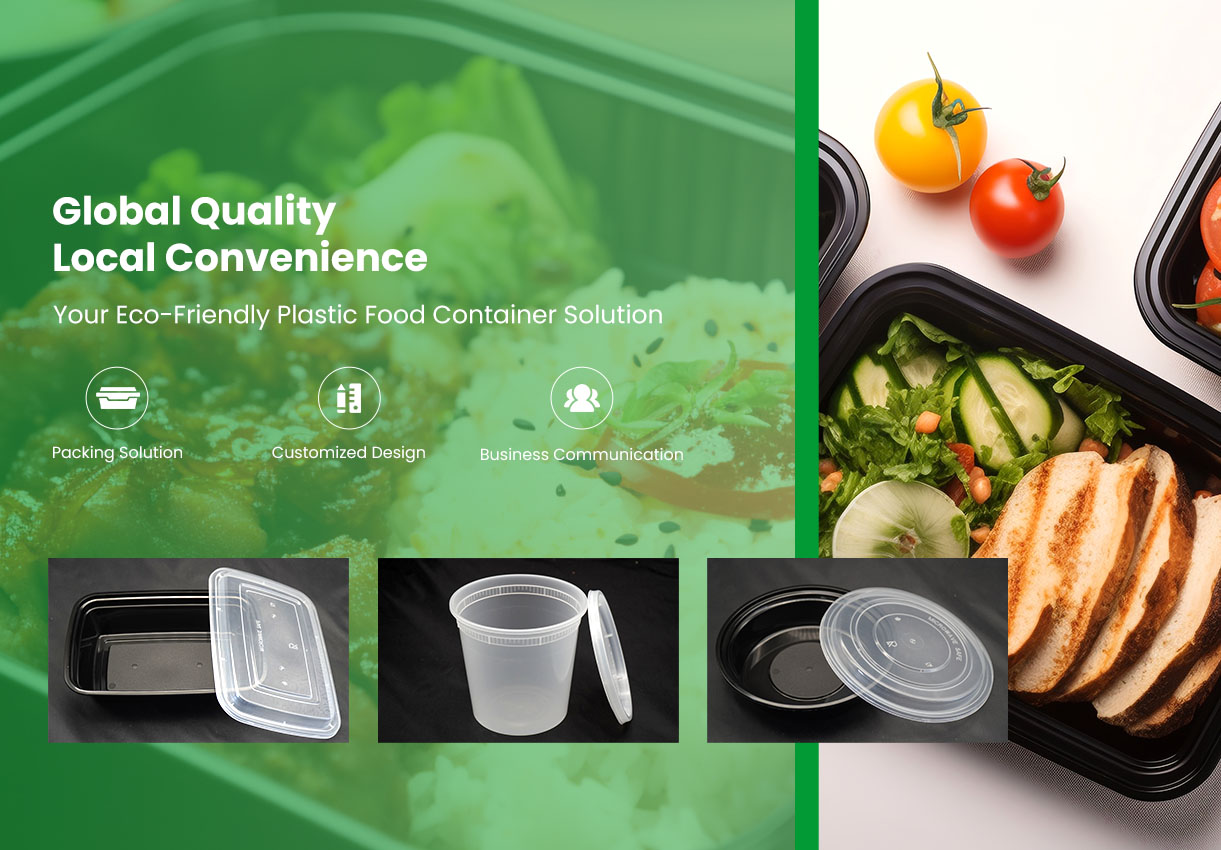
For many restaurants, the real answer is not one universal pack. The best disposable takeaway containers come from a packaging range that covers several menu formats with consistent lid fit, size logic, and stable supply.
Material choice should follow menu type, transport distance, and brand positioning.
PP food containers are widely used for hot meals because they are lightweight, durable, and suitable for many ready-to-eat applications. They work well for soups, rice dishes, and daily meal prep when paired with secure lids and proper wall thickness.
Plant fiber and Biodegradable Lunch Boxes are a good fit for operators that want a more eco-conscious image while still serving hot and cold foods. They are especially useful for set meals, takeaway lunches, and fast casual menus.
Semi-biodegradable options can help balance performance, cost, and sustainability targets in markets where full material transition is still in progress.
This matters even more because packaging waste remains a major issue. The U.S. EPA reports that containers and packaging made up 28.1 percent of municipal solid waste generation in 2018, more than 82 million tons. Restaurants that review packaging carefully are not only protecting food quality, they are also responding to a real waste-management pressure in the market. (US EPA)
When comparing suppliers, focus on practical questions instead of only price.
First, ask whether the container is matched to actual menu behavior. Many failures happen because a general box is forced to handle oily food, hot broth, or long delivery times.
Second, review lid security and stacking performance. Containers for food delivery business need to survive transport vibration, shelf storage, rider handling, and customer carrying.
Third, confirm food-contact compliance and material consistency. Packaging should be made from food-grade materials designed for the intended conditions of use.
Fourth, consider supply flexibility. Restaurants often need mixed sizes, seasonal changes, and visual consistency across multiple SKUs. A supplier with broader production capability reduces sourcing friction.
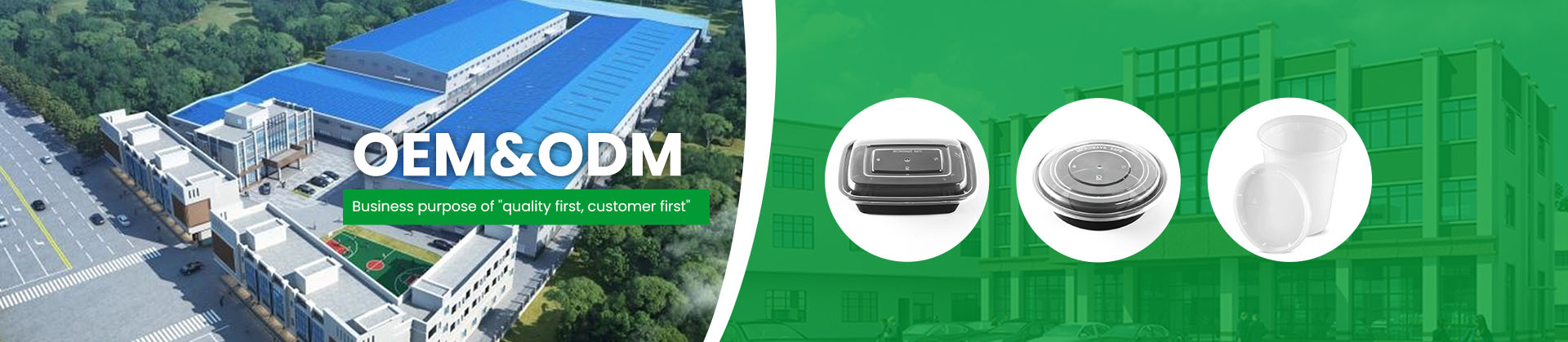
LVHUI is positioned around this kind of real restaurant demand. According to its website, Taishan Lvhui Environmental Plastic Technology Co., Ltd. operates a factory of about 35,000 square meters in Guangdong and has focused on disposable environmentally friendly tableware since 2019. Its product structure covers Disposable Soup Cups, rectangular and round plastic containers, biodegradable lunch boxes, Semi-Biodegradable Lunch Boxes, and disposable lunch boxes, giving restaurants more than one route for matching different menu formats.
LVHUI also highlights features that matter directly in restaurant use: light but strong container construction, stackable design, tight-fitting lids, food-grade materials, and custom development support. On its product pages, the company presents OEM and ODM capability, custom sizing for biodegradable food containers, and leak-proof options for takeaway meals and soups. That makes its foodservice packaging range more practical for businesses that need repeatable supply instead of one-off purchasing.
The best takeaway containers for restaurants are the ones that protect food quality from the moment of packing to the moment of eating. In practice, that means matching container shape, sealing strength, and material type to the menu itself. It also means choosing a supplier that can provide stable quality across soup cups, meal boxes, and disposable containers for different service models.
As delivery demand keeps growing, packaging is no longer just a cost item. It has become part of the meal experience. Restaurants that choose the right disposable takeaway containers can improve consistency, reduce complaints, and present their food more professionally. LVHUI’s broad product range, custom support, and manufacturing focus make it a strong option for operators looking for reliable containers for food delivery business and long-term foodservice packaging solutions.