Food delivery has changed how meals are prepared, transported, and consumed. For restaurants and cloud kitchens, packaging is no longer a simple afterthought. It directly affects food temperature, leak prevention, product presentation, customer satisfaction, and repeat orders. The best packaging for food delivery business is the format that protects the meal from kitchen to doorstep while also meeting rising food safety and sustainability expectations. Regulatory pressure is also becoming stronger. The FDA states that food packaging and its components are food contact substances, and companies must ensure these materials are authorized for food contact use. At the same time, the European Commission reports that packaging accounts for 40 percent of plastics used in the EU, with packaging waste reaching 186.5 kilograms per person in 2022.
For this reason, effective food delivery packaging must perform in four areas at once. It must preserve food quality, maintain hygiene, support delivery efficiency, and align with waste reduction trends. The U.S. EPA reports that containers and packaging were the largest share of municipal solid waste in the United States, representing more than 82 million tons, or 28.1 percent of total generation in 2018. Paper and paperboard containers and packaging alone accounted for 41.9 million tons, or 14.3 percent. These figures show why buyers are no longer evaluating packaging only on price. They are looking at total performance across the supply chain.
A delivery package succeeds when it keeps food safe and attractive after transit. Hot meals need heat retention and condensation control. Soups and sauces need strong sealing. Fried foods need ventilation that limits sogginess. Mixed meals need compartment separation so flavors stay clean and presentation remains structured. This is why takeaway containers and food containers must be selected according to menu type, delivery distance, and service model rather than purchased as one universal format.
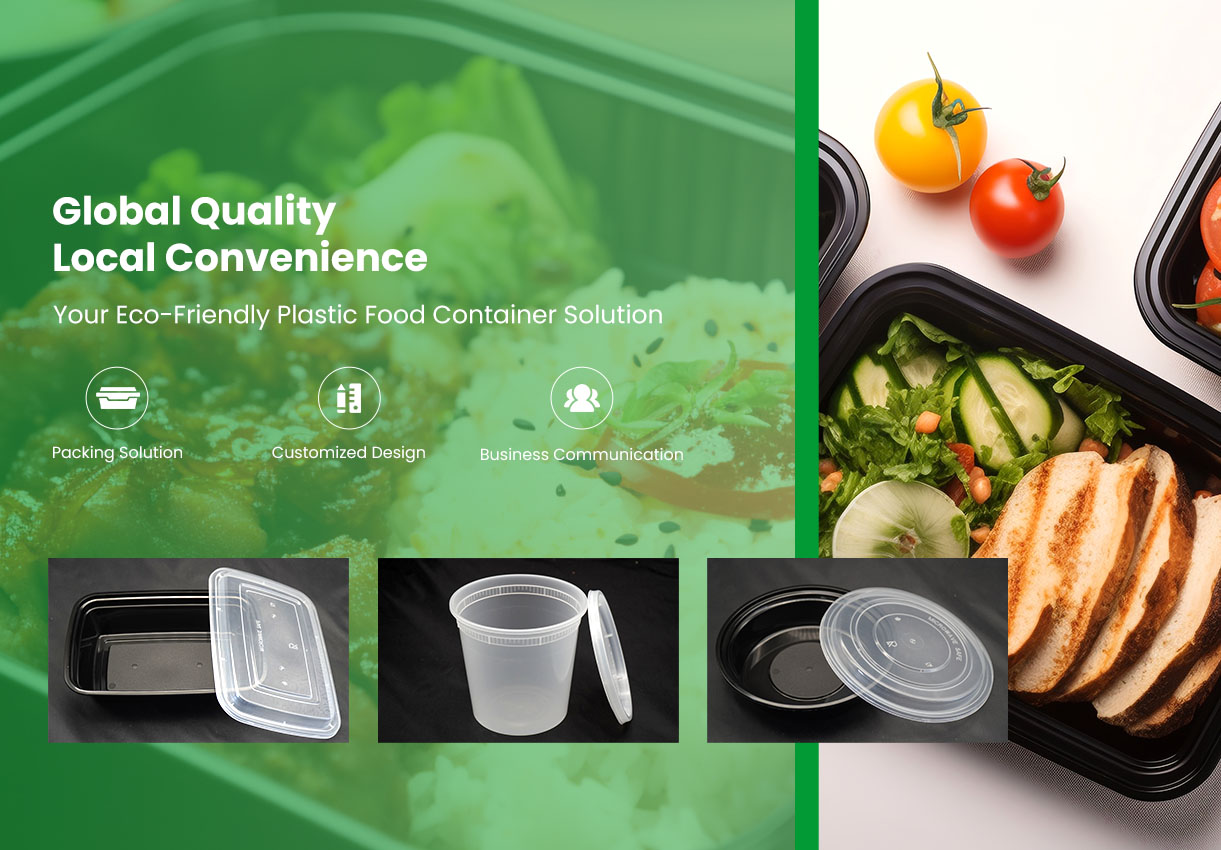
The most effective approach is to build a packaging matrix instead of relying on one container style. Round containers usually work well for soups, stews, porridges, and sauced dishes. Rectangular containers improve stackability, shelf efficiency, and organized portioning. Multi compartment lunch boxes are especially useful for rice meals, set meals, and combination dishes because they help prevent migration between wet and dry food. For operators with varied menus, this creates a more reliable foodservice packaging system and reduces customer complaints linked to leakage or texture loss.
Material selection defines how packaging performs under real delivery conditions. PP based plastic containers are widely valued for strength, light weight, sealing performance, and temperature resistance. They are often preferred for hot takeaway meals, refrigerated storage, and microwave reheating workflows. Fiber based and biodegradable formats are increasingly important where waste reduction and brand positioning matter more. In export oriented projects, the correct material choice should also reflect destination market expectations on recyclability and food contact compliance. The EU packaging framework is moving toward stricter design for recycling rules, and the current regulation requires packaging placed on the market to move toward recyclability by 2030.
The table below shows a practical way to match packaging with delivery scenarios.
| Food type | Recommended packaging | Key reason |
|---|---|---|
| Soup and noodles | Round sealed soup cups | Better leak control and heat retention |
| Rice meals | Compartment lunch boxes | Keeps dishes separated and presentation neat |
| Salads and cold meals | Clear rectangular containers | Good visibility and stack efficiency |
| Fried foods | Ventilated takeaway containers | Helps reduce moisture buildup |
| Saucy entrees | Deep wall food containers with tight lids | Supports spill resistance during transit |
This method improves packaging accuracy and helps restaurants select takeaway packaging solutions for restaurants based on operational needs instead of guesswork.
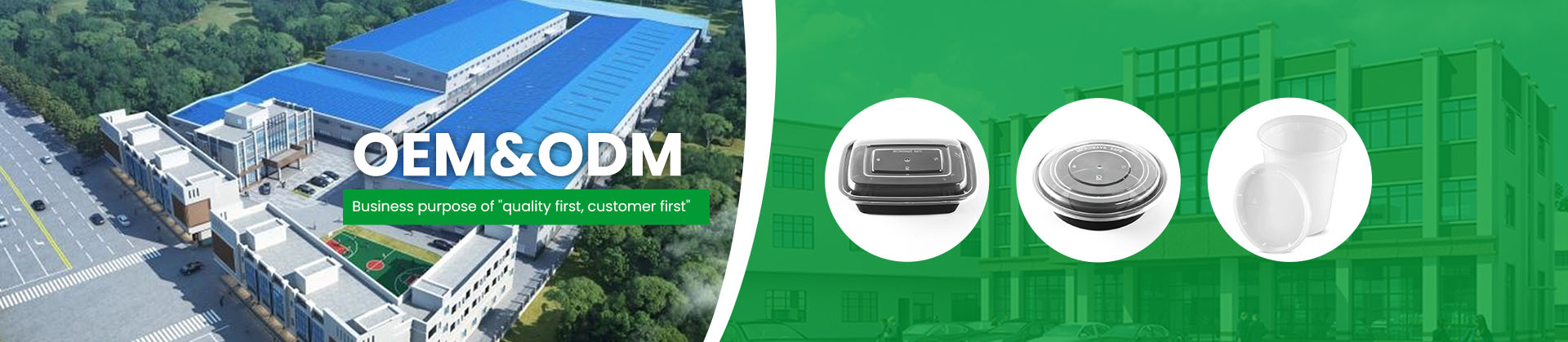
Many delivery businesses buy containers based only on unit cost, but low initial price often creates higher downstream cost through leakage, poor stacking, lid failure, wasted food, and negative reviews. A capable manufacturer should help buyers evaluate capacity, lid fit, sealing structure, stacking stability, temperature use, and menu compatibility before mass purchase. This is where LVHUI offers practical value. According to its website, Taishan Lvhui Environmental Plastic Technology Co., Ltd. has operated since July 2019 and has a factory area of about 35,000 square meters in Guangdong, focusing on disposable environmental protection tableware for domestic and overseas markets. Its product range includes Disposable Soup Cups, rectangular and Round Disposable Plastic Containers, Disposable Lunch Boxes, and Biodegradable Lunch Box solutions.
That product structure is important because a food delivery operator rarely needs only one SKU. A practical supplier should support multiple meal formats under one procurement plan. LVHUI’s category coverage allows buyers to source food delivery packaging for soups, prepared meals, takeaway sets, and more standardized programs from one manufacturing partner. This simplifies packaging coordination, especially for growing restaurant chains, meal prep services, and regional delivery networks.
Sustainability is no longer limited to brand messaging. It is increasingly tied to policy, disposal cost, and market access. The FDA highlights the importance of regulatory review for food contact substances, while the EU has adopted a packaging and packaging waste regulation that raises the bar for recyclability and clearer packaging design expectations. For delivery businesses, this means the best packaging choice is one that balances performance today with compliance readiness tomorrow. Using recyclable or biodegradable options where suitable can support smoother entry into stricter markets and reduce future replacement risk.
A strong packaging plan starts with five questions. What foods are being delivered. How long is average transit time. Does the menu include liquids or sauces. Is microwave reheating expected. What sustainability requirements apply in the target market. Once these are defined, the right mix of food containers, lid systems, and material types becomes much easier to standardize. This is the foundation of the best packaging for food delivery business, because performance comes from fit, not from trend alone.
The strongest delivery packaging is the one that protects food quality, meets food safety requirements, supports efficient handling, and adapts to future packaging rules. For companies building reliable food delivery operations, the answer is rarely one single box. It is a coordinated packaging system built around menu logic and supply consistency. With its focused manufacturing base, broad disposable tableware range, and growing portfolio of recyclable and biodegradable formats, LVHUI is well positioned to support businesses that need dependable foodservice packaging with room for scale.