Unopened cartons of disposable plates look simple to manage, but storage conditions can quietly decide whether the product arrives to the serving line clean, flat, and presentation ready. From a manufacturer view, most storage problems trace back to three risks: moisture pickup, contamination, and carton deformation during stacking. The good news is that the right storage setup is easy to standardize and audit.
LVHUI produces disposable environmental protection tableware and supports high volume supply with rigorous testing, punctual delivery, and responsive support. The factory site information and positioning are published on LVHUI official pages, including a facility area of about 35,000 square meters and establishment in July 2019.
Your goal is to keep cartons dry, sealed, and physically protected until they are issued to packing, distribution, or service points. Even when cartons are unopened, humidity can migrate through corrugate over time, and dust or pests can contaminate outer surfaces that later touch inner packaging during opening.
A stable environment also reduces warpage and edge curl for fiber based items, and reduces brittleness for some molded plant fiber items that have been overdried by heat exposure.
Storage targets should be set as measurable ranges, not general phrases like cool and dry.
Temperature: keep the storage area stable and avoid hot spots near roofs, heaters, or sun-facing walls
Public guidance for ambient storage commonly references about 10 to 21 degrees Celsius as a reasonable room range.
Relative humidity: keep humidity controlled and avoid damp corners and condensation
A commonly referenced indoor comfort and control range is about 20 to 50 percent relative humidity, which also supports dry packaging storage.
Cleanliness: keep cartons protected from splash, aerosols, and general dust
Food safety facility guidance emphasizes protecting single service and single use articles from contamination within the premises.
Two placement rules eliminate most real world issues in dry storage.
Keep cartons at least 15 centimeters above the floor to reduce water risk, improve cleaning access, and limit pest activity
Industry guidance commonly uses the 6 inch rule for storage above the floor.
Keep cartons away from exterior walls to avoid condensation and temperature swing damage
Guidance often recommends maintaining about 46 centimeters from outer walls to lower condensation risk and keep air moving.
When these two rules are followed, you reduce soggy cartons, softened rims, and musty odor complaints that sometimes occur after long storage.
Even perfect temperature and humidity cannot protect product that has been crushed by poor stacking.
Use racking where possible and avoid high stacks that compress the bottom layers
Keep all cartons upright in their designed orientation to protect rim geometry
Avoid overhang on pallets, which creates edge crush and can distort plates
Do not mix heavy cases on top of plate cartons, especially during long storage cycles
If you see oval plates, corner dents, or rim waves, the most common root cause is compression over time, not a factory defect.
| Item | Target | Why it matters |
|---|---|---|
| Temperature | Stable room range around 10 to 21 degrees Celsius | Helps prevent condensation cycles and deformation |
| Relative humidity | About 20 to 50 percent | Reduces moisture pickup and carton softening |
| Floor clearance | At least 15 centimeters | Limits water damage and supports sanitation |
| Wall clearance | About 46 centimeters | Lowers condensation risk and improves airflow |
| Stock rotation | First in, first out | Prevents over aging and carton fatigue |
Do not store cartons under HVAC vents that drip or create localized condensation
Do not store in direct sunlight near windows or loading bays
Do not store next to chemicals, fragrances, or cleaning agents that can transfer odor through corrugate
Do not open cartons early for sampling and then reclose loosely for long periods
If you must open a carton for QC sampling, reseal fully and return it to the same protected conditions.
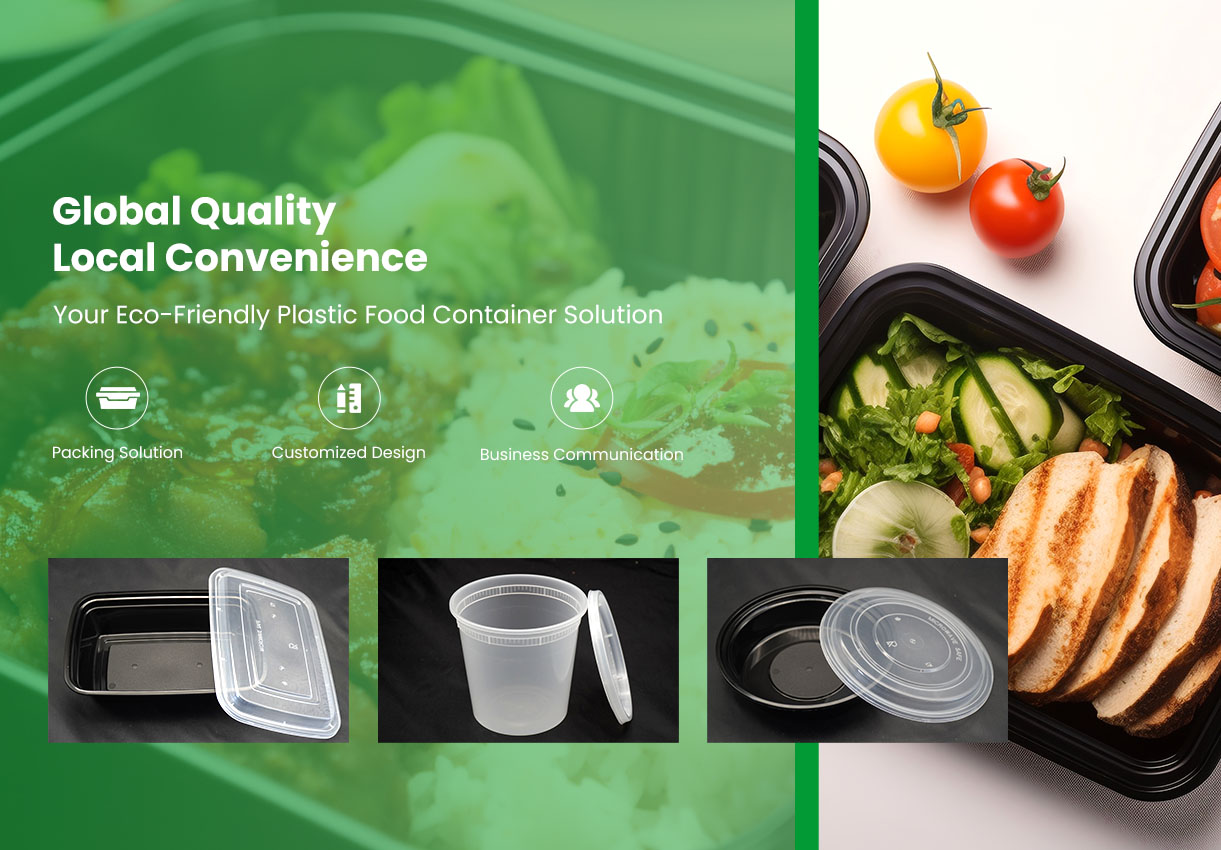
The same storage discipline protects heat oriented items. For example, inventory that includes a Disposable Soup Cup should be kept in the same clean, dry, controlled zone so lids seal consistently and cup walls stay dimensionally stable.
In many operations, disposable soup containers with Lids are issued alongside plates, so storing them together under one audited dry storage standard reduces handling variation and simplifies training.
LVHUI product pages indicate the use of food grade materials including polypropylene, aluminum, and biodegradable plant fibers, with safety testing aligned to international food safety expectations. This matters for storage because stable material inputs and consistent forming reduce sensitivity to minor environmental swings, while disciplined warehouse controls eliminate the avoidable issues that happen after production.
A practical rule is simple: treat unopened cartons as clean food contact packaging, store them dry, elevated, off exterior walls, and protected from compression. That is how disposable plates keep their appearance and performance from receipt to final use.
Previous: