Takeaway packaging is no longer a small purchasing task. It sits directly on top of food safety, delivery reliability, and brand perception. The demand signal is clear: the global online food delivery market generated about USD 288.8 billion in 2024 and is projected to keep growing through 2030. At the same time, packaging decisions are under pressure because plastic waste is rising, and packaging remains a major contributor in the plastics lifecycle.
From a manufacturer perspective, the best place to buy takeaway food containers depends on how you balance four factors: specification control, food contact compliance, lead time stability, and total landed cost.
This is usually the best option when you need consistent sizing, stable lid fit, and repeatable performance for delivery.
What you gain
Faster control of thickness, rigidity, and leak resistance targets
Stable matching between base and lid across multiple production lots
Better support for customization, including compartment design and pack configuration
Clearer accountability for quality inspection and corrective actions
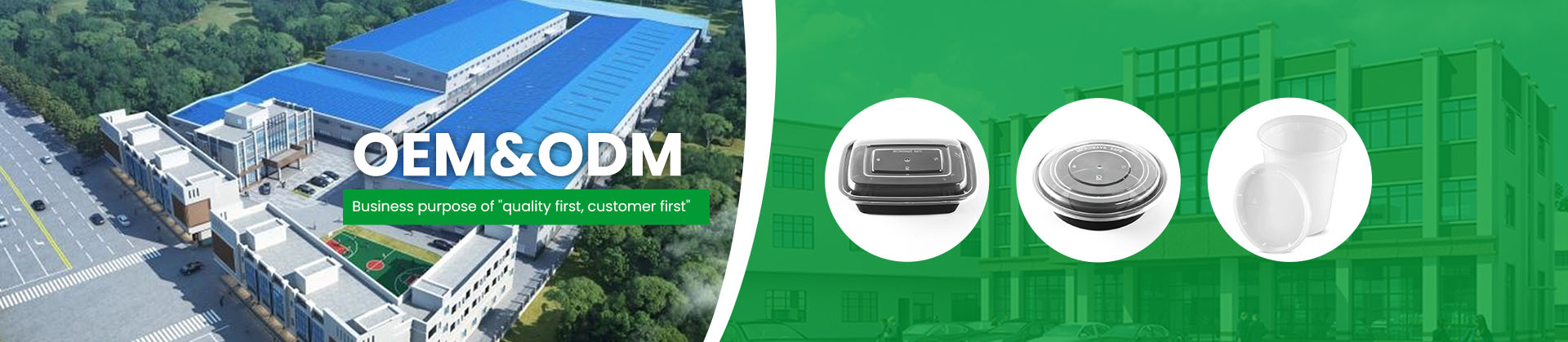
Where LVHUI fits LVHUI focuses on disposable environmentally friendly tableware and operates with an independent production workshop and product development teams. Its factory area is about 35,000 m2, and the company was established in July 2019. This is the type of setup that supports repeatable output and specification driven manufacturing, not only trading.
This option works when you need mixed categories and local stock. It is often faster for urgent replenishment, but you typically give up deeper specification control.
Best use cases
Short-term supply gaps
Multi category consolidation into one local shipment
Testing demand before locking a long-term specification
This is the fastest for small replenishment, but SKU consistency can change. Lid fit and resin grade can vary by batch, which increases leakage risk.
Best use cases
Single location operators with simple menu packaging needs
Emergency purchase when lead time matters more than standardization
Marketplaces can help you compare quickly, but you must verify factory capability, documentation, and inspection standards. Treat listings as a lead source, not as proof of manufacturing control.
A good takeaway container purchase decision should be built around usage conditions, not only unit price.
Key performance questions to confirm
Is the container designed for hot soup, oily food, or mixed dishes with sauce
Can the lid seal stay stable under vibration during last mile delivery
Does the container remain rigid at serving temperature without warping
Can it stack tightly to reduce storage volume and picking time
Is it a microwave-safe takeaway container design for the intended heating pattern
Industry context that is shaping procurement
Global plastic waste reached 353 million tonnes in 2019, and packaging is one of the largest sources.
As delivery grows, packaging volumes grow with it, which increases the value of stable long-term specifications rather than frequent supplier switching.
| What to confirm | Why it matters | What to ask for |
|---|---|---|
| Material and intended temperature range | Prevent deformation and leakage | Target use temperature and food type verification |
| Lid fit control | Reduces spill claims | Lot to lot lid matching method and inspection step |
| Stackability | Lowers warehousing cost | Carton stack test and compression resistance approach |
| Quality testing | Improves consistency | Incoming inspection plan and in process checks |
| Lead time plan | Stabilizes supply | Monthly capacity plan and safety stock suggestions |
| Product range coverage | Simplifies sourcing | Soup cups, rectangular and round containers, compartment boxes |
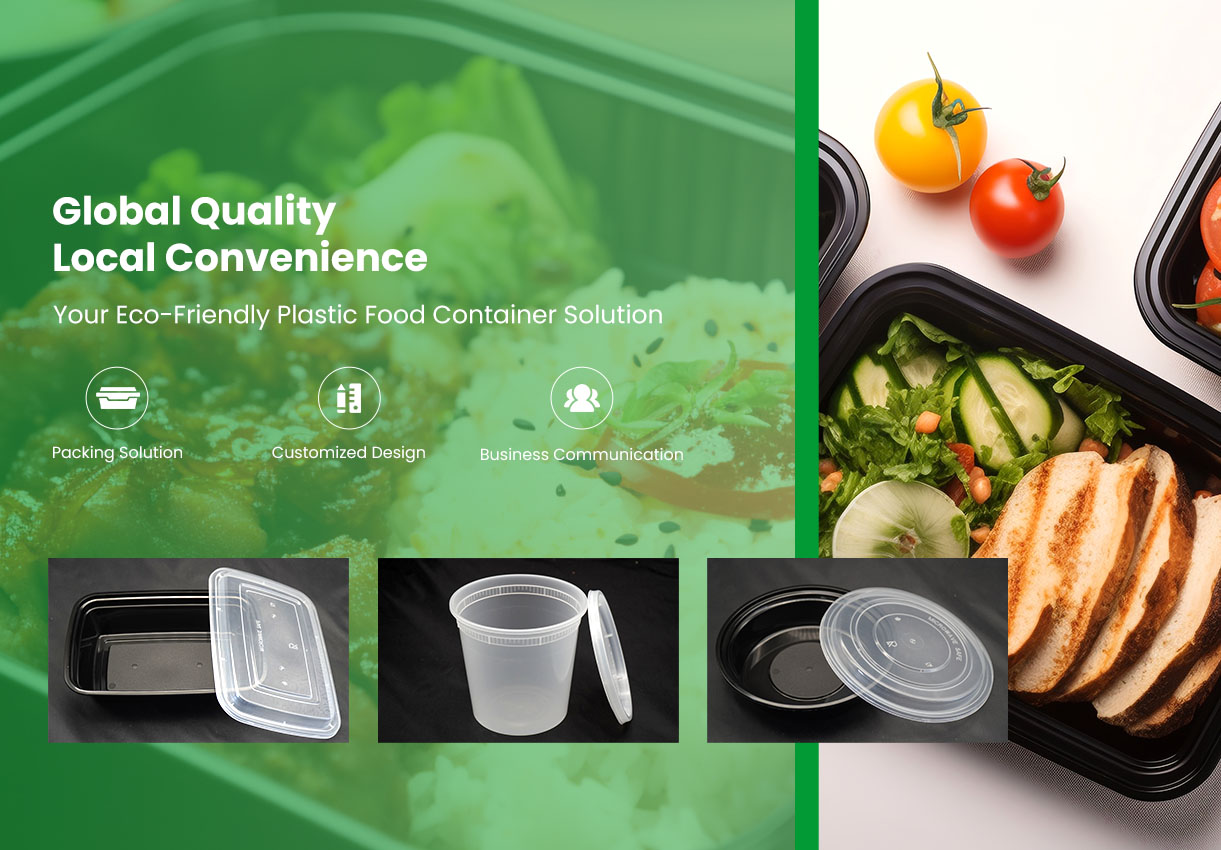
LVHUI’s product range includes Disposable Soup Cups in multiple sizes, Disposable Plastic Containers in rectangular and round formats, and lunch box styles including multi-compartment options. This kind of range helps keep packaging formats consistent across menu categories while reducing supplier count.
Leak-proof takeaway food containers for soups and broths
Look for stable lid sealing and a base that resists sidewall flex during handling.
Stackable takeaway container with lid for meal prep and ready meals
Stack design reduces storage and improves packing speed.
Multi-dish meals that must stay separated
A 3 compartment plastic lunch box is typically chosen when separation is essential for texture and presentation, especially for sauce plus sides.
Manufacturing base designed for stable output, with a factory area around 35,000 ㎡
Focused product positioning on disposable environmental protection tableware
Broad category coverage that supports standardized packaging systems across soups, meals, and multi-compartment menus
Production plus product development teams that support specification alignment and iteration during sampling
To buy takeaway food containers with fewer quality surprises, start by locking your use conditions, then choose the channel that matches your need for specification control and supply stability. Direct manufacturer sourcing is usually the strongest option when leakage risk, repeatability, and long-term cost matter most.
Share your target container size, food type, serving temperature, and monthly volume, and LVHUI can recommend a matching container system and sampling plan that fits your delivery workflow.