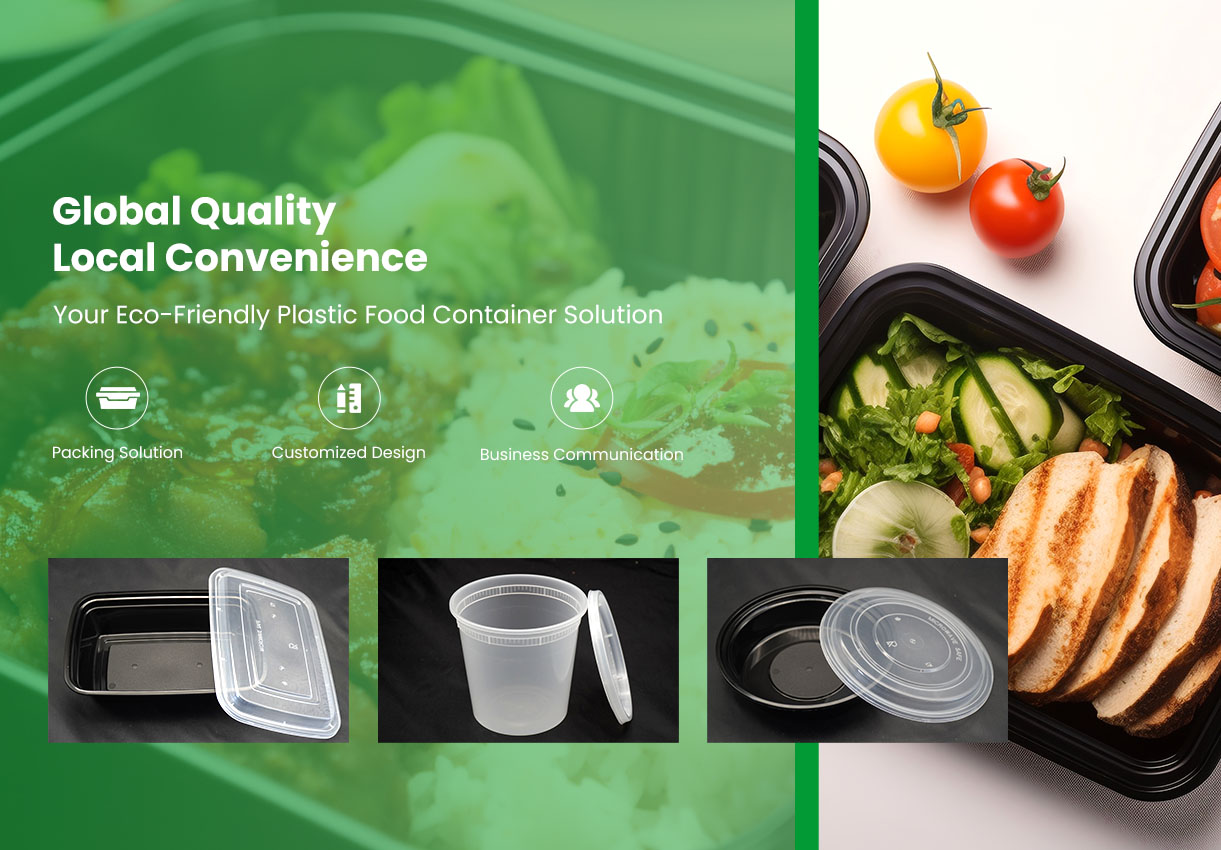
Recycling takeaway packaging is possible, but it is not automatic. Real outcomes depend on three things: what the container is made from, whether local systems accept that material, and how clean the container is when it reaches sorting. This is why global recycling still struggles even with strong awareness campaigns. The OECD reports that only 9 percent of plastic waste was ultimately recycled in 2019 after accounting for losses in the recycling process.
From a manufacturer perspective, the best approach is to design and source Takeaway Container formats that are easier to sort, easier to wash, and more likely to be accepted at scale.
Not all food containers behave the same in recycling lines. Containers that are rigid, single material, and clean have the best chance. Containers that are heavily soiled with oil, sauce, or food residue often get rejected because contamination can ruin entire recycling bales.
In the United States, the EPA shows that PET bottles and jars had a 29.1 percent recycling rate in 2018, and HDPE natural bottles were 29.3 percent. These numbers are for bottle categories, but they still illustrate a key point: systems and end markets are stronger for some resins than for mixed or food contaminated packaging.
In the European Union, plastic packaging recycling is higher than many regions, but still not close to full circularity. Eurostat reports the EU recycled 42.1 percent of generated plastic packaging waste in 2023.
Food packaging has unique technical barriers compared with bottles.
Residues and odors reduce bale value and can cause processors to reject loads
Mixed components like a different material lid on a base make automated sorting less accurate
Dark colors and heavy pigments can be harder to sort accurately in some optical systems
Multi layer structures protect food well but are difficult to recycle mechanically
This is why many programs focus on high value, high volume streams first, while food containers remain inconsistent across cities and countries.
When you specify disposable takeaway containers, these choices typically improve recycling compatibility in more markets.
Prefer mono material designs for base and lid when feasible
Use clear or light colors to improve optical sorting performance
Keep labeling minimal and choose adhesives that release in standard wash conditions
Avoid mixed barrier films unless the market has a proven recycling route
Match the container to the food type to reduce leakage and heavy soiling
A simple rule helps: the easier it is to sort and wash, the more likely it becomes feedstock for new products.
Material choice should follow the waste system reality in your target country. Use the table as a screening tool, then confirm local acceptance.
| Container material | Recycling readiness in typical systems | Main risk that blocks recycling | Better specification direction |
|---|---|---|---|
| PET rigid clear | Often higher acceptance | Food residue and labels | Clear walls and easy wash labeling |
| PP rigid | Acceptance varies by region | Lower collection coverage in some areas | Mono material set and consistent resin marking |
| Paper with coating | Often complex | Plastic coating separation | Reduce coating weight and simplify structure |
| Compostable plant based | Depends on industrial compost access | Goes to landfill without correct collection | Align with real local compost program rules |
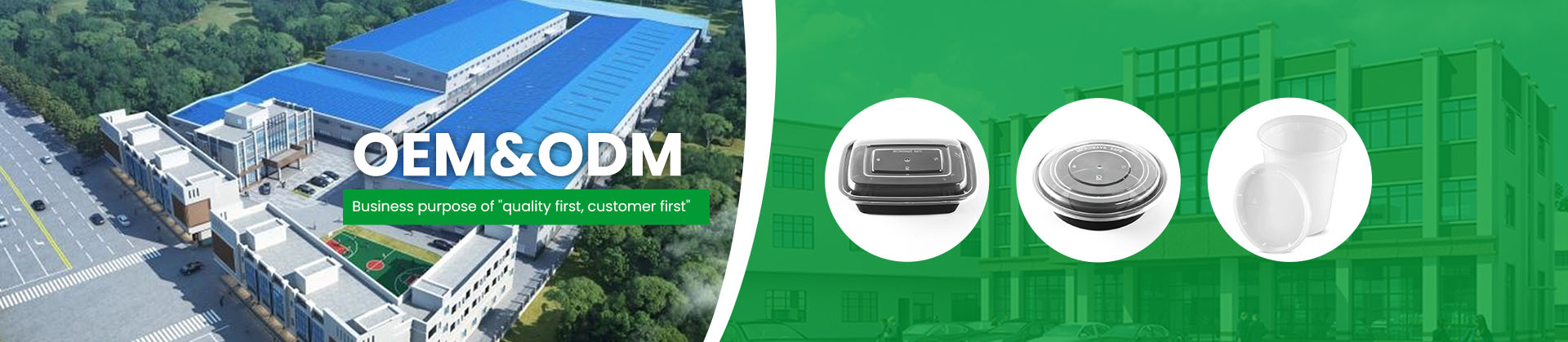
LVHUI focuses on disposable environmentally friendly tableware and supports packaging decisions with manufacturing discipline. The company operates from Taishan City, Guangdong, with a factory area of about 35,000 square meters and has been developing disposable tableware products since July 2019.
For takeaway packaging, that matters because consistency and testing reduce failure risks that lead to waste. LVHUI highlights rigorous testing, just in time delivery, and 24 hours online support as core service strengths, backed by independent production workshops and product development teams and a highly automated production workshop.
On the product side, LVHUI offers a broad range across soup cups and multiple container forms, supporting standardized sizing and stable supply planning for takeaway operations.
Yes, you can recycle takeaway food containers, but only when material selection, local acceptance, and cleanliness align. A smart packaging decision is not only about performance during delivery, it is also about what happens after use.
Share your target market and menu profile, and LVHUI can recommend a container structure and material route that balances leak resistance, food contact safety, and the most realistic recycling path for that region.