Hot food creates the toughest conditions for packaging: high temperature, steam pressure, oils, acidity, and long holding times. A material that performs well for cold salads may deform, leak, or increase migration risk when used for soups, curries, or freshly fried foods. From a manufacturer’s perspective, “safe” hot food packaging means three things at the same time: compliant for food contact, stable under real serving temperatures, and consistent in mass production.
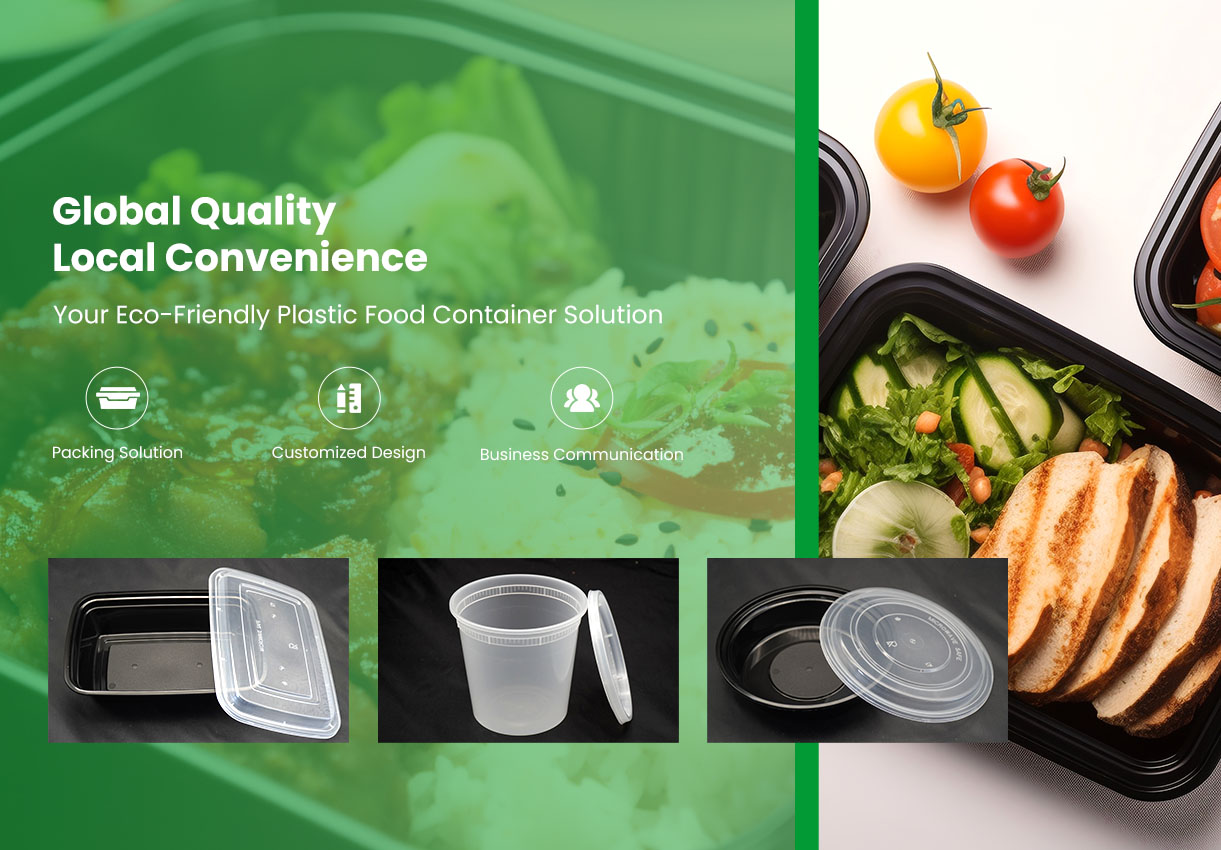
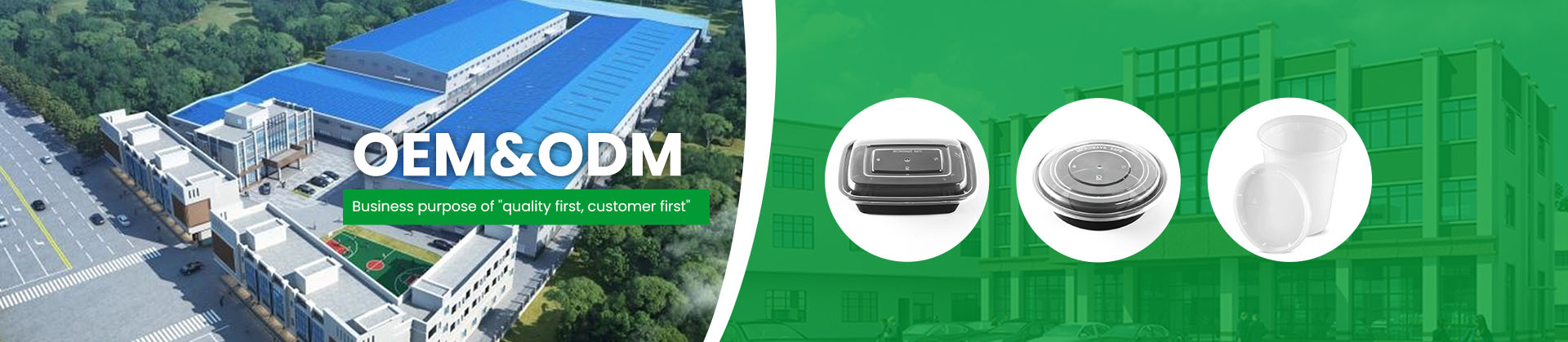
LVHUI focuses on Disposable Soup Cups, Disposable Plastic Containers, and Biodegradable Lunch Boxes designed around these hot-food realities, supported by a dedicated production base and scalable supply capacity.
Food-contact safety is not only about the base material. It is also about additives, inks, and coatings, plus the exact time-and-temperature profile of use. Regulations and standards translate this into measurable limits.
In the EU plastics framework, overall migration is limited to 10 mg per 1 dm² of contact surface under defined test conditions. This number matters because it forces packaging to stay inert under “worst foreseeable conditions” rather than a perfect laboratory scenario.
For compostable claims, the material must also behave predictably at end-of-life. EN 13432 certification testing includes disintegration criteria, including that after composting tests, no more than 10% of fragments are larger than 2 mm at the specified evaluation point.
PP is one of the most common choices for hot takeout containers because it combines chemical resistance with solid heat stability. Its polymer melting range is typically about 160–170°C, which is a key reason PP performs well in hot-fill and many reheating workflows when the product is correctly designed (wall thickness, rib structure, lid fit).
From a packaging design angle, PP is often the “workhorse” material when you need a secure lid seal, leak resistance, and repeatable forming across large production runs. LVHUI’s disposable plastic container lines are built around dependable storage and transport performance, which is exactly what hot meals require.
When the use case moves from hot-fill to higher heat exposure, CPET becomes relevant. CPET variants are used for temperature-resistant applications and are commonly described as heat-resistant up to around 220°C depending on grade and design.
If your packaging must tolerate more aggressive reheating conditions, specifying CPET (and validating the lid film or cover material at the same time) can reduce warping and sealing failures.
Plant-fiber packaging is frequently chosen for hot foods because it handles steam and heat without the “softening” behavior seen in some bioplastics, while also offering an alternative end-of-life pathway. LVHUI’s biodegradable lunch box options explicitly use plant fibers such as bagasse or wheat straw as core materials.
For many hot meals, fiber clamshells also reduce condensation pooling, which helps keep fried foods less soggy during transport.
Paperboard can be safe for hot food when the structure is engineered for moisture and grease, typically using barrier coatings or laminations. The safety decision point here is the whole structure (paper + coating + adhesive + print). A reliable manufacturer should provide the supporting compliance documents for the exact construction, not a generic statement about “paper is safe.”
PLA is popular in cold beverage packaging, but it has an important limitation: PLA’s glass transition temperature is typically about 55–60°C, meaning it can soften and deform around hot-food temperatures.
If a project involves hot soup, steaming rice, or microwave reheating, PLA needs very careful evaluation (and often a different material choice).
Below is a quick comparison you can use when defining specs with a supplier.
| Material family | Heat suitability (typical) | Best-fit hot foods | Key risk to manage | Notes to request from supplier |
|---|---|---|---|---|
| PP | Strong for hot-fill and many reheating workflows | soups, noodles, saucy meals | lid seal under steam pressure | migration compliance + lid fit validation |
| CPET | Higher-temperature capable, often cited up to ~220°C depending on design | oven/microwave-ready meals | film/lid compatibility | temperature range, sealing window, recyclability plan |
| Bagasse / wheat straw fiber | Stable for hot serving; good breathability | fried foods, combo meals | oil resistance depends on coating | fiber source, coating type, compostability basis |
| Paperboard + coating | Works when barrier system is validated | hot snacks, bakery, some bowls | coating/ink compliance | full structure compliance, printing limits |
| PLA | Limited for hot use due to softening around 55–60°C | mainly cold items | deformation, leakage | confirm intended temperature, consider alternatives |
Time and temperature profile
Define whether the food is hot-filled, held under heat lamps, or reheated. Small differences can decide whether PP is sufficient or CPET is necessary.
Food type matters
Oils, acidity, and salt can accelerate stress on seals and barriers. The same container can behave differently with broth versus oily stir-fry.
Migration compliance evidence
If the target market is the EU, the overall migration framework and test conditions should be reflected in the supplier’s documentation. The 10 mg/dm² limit is a helpful reference point when comparing materials and constructions.
Compostable claims must be test-backed
If you plan to label a product compostable, confirm the standard and certification basis. EN 13432 includes specific disintegration criteria that must be met in testing.
For plastics marketed as compostable, ASTM D6400 describes requirements for plastics designed to be composted in industrial and municipal aerobic facilities.
Hot food packaging succeeds or fails in production details: wall thickness consistency, lid tolerance, sealing reliability, and material stability at scale. LVHUI manufactures disposable environmental tableware and supports multiple hot-food packaging categories, including soup cups, plastic containers, and plant-fiber lunch boxes.
For projects that require consistent performance across multiple SKUs and markets, working directly with a manufacturer also simplifies specification control, documentation alignment, and OEM/ODM execution for a commercial-grade rollout.
The safest materials for hot food packaging are the ones that stay stable under heat, meet food-contact rules for the destination market, and remain consistent across mass production. In practice, PP and CPET are strong options for hot and reheating workflows, while bagasse and wheat-straw fiber packaging offers a durable plant-based route for many hot meals. The right choice comes from matching real use conditions to a verified material system—and choosing a supplier that can produce that system reliably at scale.