Food packaging is under pressure from two directions at once: tighter waste rules and higher expectations for food safety and performance. That is why terms like biodegradable and semi-biodegradable show up more often in container sourcing discussions. They sound similar, but they do not mean the same thing, and choosing the wrong option can create compliance risk, disposal problems, or customer complaints.
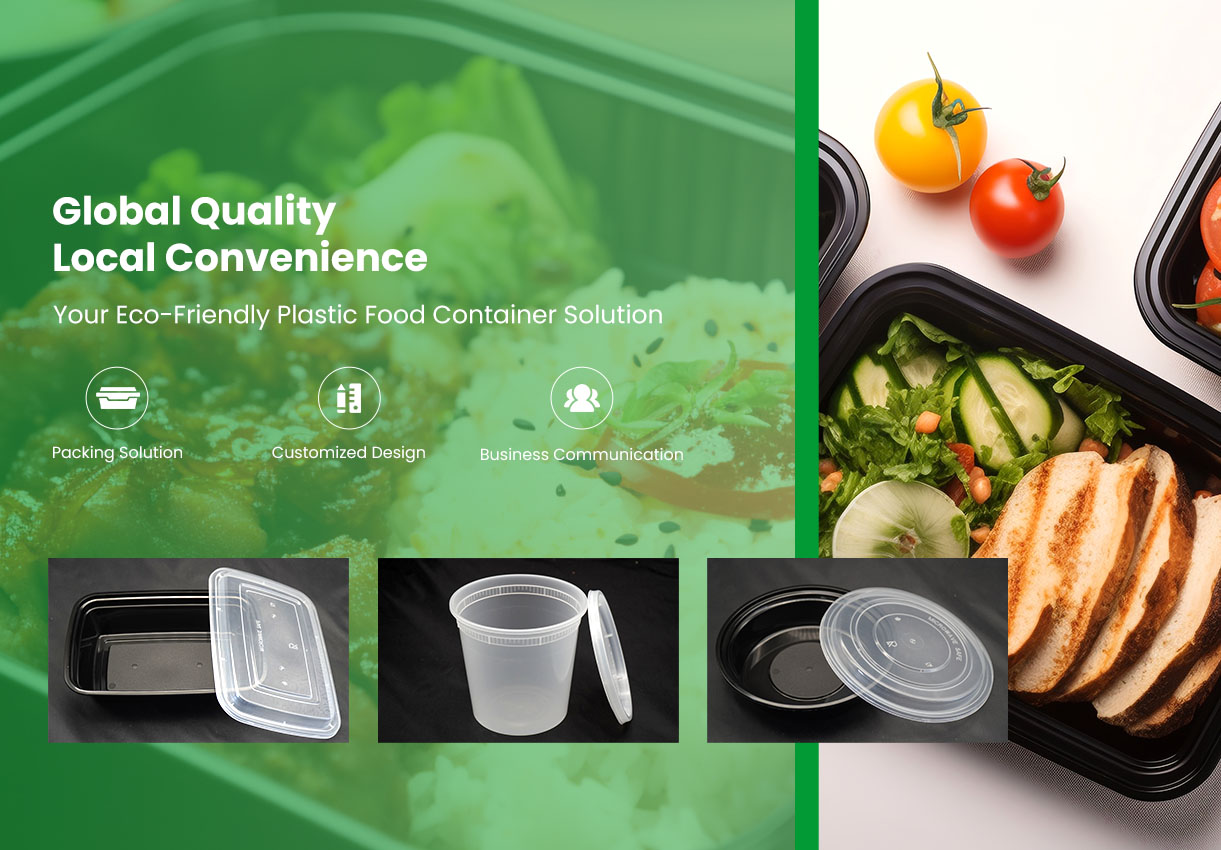
LVHUI focuses on disposable environmental protection tableware and provides both Biodegradable Lunch Boxes and Semi-Biodegradable Lunch Boxes, with product formats designed for common takeaway and food service needs.
A biodegradable container is designed so the main material structure can be broken down by microorganisms into natural end products under defined conditions. In real procurement, the key is not the marketing word but the standard and test conditions behind it.
For compostable biodegradable items, widely referenced benchmarks include EN 13432 in the EU and ASTM D6400 in the US. These frameworks are commonly summarized as requiring rapid disintegration and high biodegradation within a controlled composting environment, such as at least 90 percent biodegradation within 180 days for certified compostable plastics.
In LVHUI’s biodegradable lunch box range, product descriptions emphasize plant-based inputs and natural plant fibers such as sugarcane bagasse or wheat straw for clamshell-style formats, aligning with the market demand for fiber-based, compostable solutions.
Semi-biodegradable containers generally refer to materials that only partially break down or rely on blends where not all components are designed to biodegrade under the same conditions or timeframe. On LVHUI’s semi-biodegradable lunch box category page, the material direction is presented as renewable-resource inputs such as corn starch and PLA, positioned as partially biodegradable alternatives to conventional plastics.
The practical difference is this:
A biodegradable container is usually sourced with a clearer end-of-life route in mind, often composting where infrastructure exists.
A semi-biodegradable container is often chosen to balance cost, toughness, and “reduced plastic burden,” but its end-of-life outcome can be more variable, especially if local facilities do not accept the material mix.
Some markets historically used additive-based plastics that fragment faster, often described as oxo-degradable. However, EU policy restricts oxo-degradable plastic products under the Single-Use Plastics Directive. If you sell into the EU or supply brands that do, this matters for compliance screening.
Semi-biodegradable should not be used as a substitute label for oxo-degradable. Procurement specs should explicitly state resin or fiber composition and the certification targets.
| Topic | Biodegradable containers | Semi-biodegradable containers |
|---|---|---|
| Material approach | Typically designed so the primary structure biodegrades under defined conditions | Often blends or structures where only part biodegrades, or biodegradation depends strongly on conditions |
| Best-fit disposal route | Composting where standards and infrastructure exist | Mixed outcomes, requires local acceptance and correct sorting |
| Procurement proof | Third-party standard claims such as EN 13432 or ASTM D6400 are commonly referenced | Composition disclosure and clear claims about what portion biodegrades matter most |
| Risk to manage | “Biodegradable” without conditions can mislead and create disputes | “Partial” claims can be misunderstood as fully compostable |
Match the container to the disposal reality, not the label. If the destination market has industrial composting access or a customer program that collects compostables, biodegradable formats make more sense. If the market is dominated by landfill disposal and rough logistics, semi-biodegradable options may be selected for durability, but labeling and expectations must be controlled.
Specify what you will verify. In a purchase spec sheet, define:
The target standard or test method you want to reference for compostability claims
Acceptable material composition ranges
Temperature resistance and leak resistance requirements for soup, sauces, and oily foods
Storage requirements such as freezer suitability if needed
Plan packaging performance around real food use. For takeaway, the most common failure points are lid seal, warp under heat, and softening under moisture. Choose structure and thickness with your menu and delivery time in mind, then confirm through sample testing.
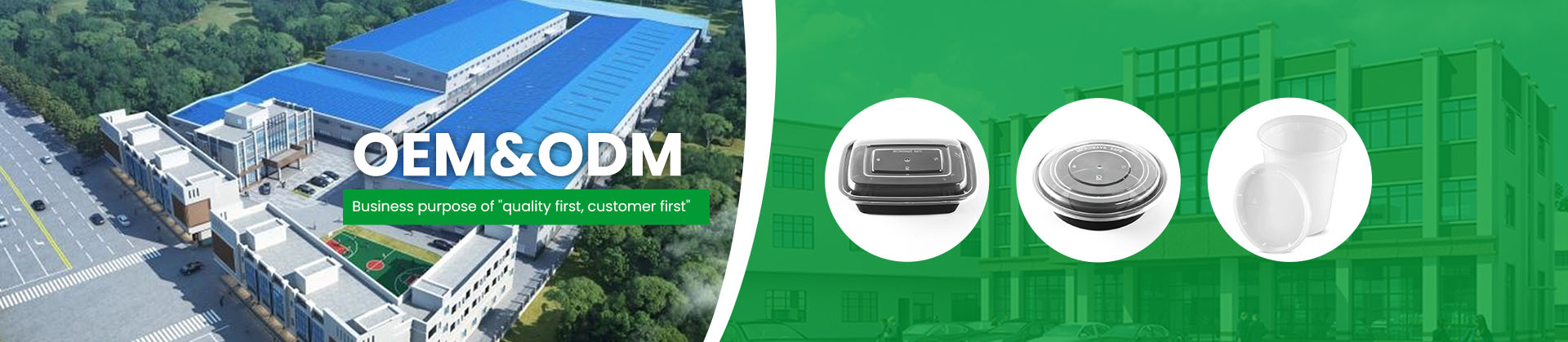
When sourcing biodegradable or semi-biodegradable containers, consistency matters as much as materials. LVHUI operates from a factory site of about 35,000 square meters and focuses on disposable environmental protection tableware, supporting scalable supply for project launches and bulk order planning.
LVHUI also highlights customization capability for container sizing and production control through equipment and process management, which is useful when you are aligning packaging dimensions with existing carton sizes, delivery bags, or automated filling lines. OEM/ODM requests can be handled more smoothly when the manufacturer can translate your size targets into stable tooling and repeatable output.
Treating “biodegradable” as automatically suitable for every disposal system
Using vague terms without naming material composition and the intended end-of-life pathway
Forgetting market rules that restrict certain degradable plastic categories
Skipping pilot testing with actual hot foods, oils, and delivery times
Biodegradable containers are typically selected when you need a clearer pathway to biological breakdown under defined conditions, while semi-biodegradable containers are often selected as a transitional option that balances performance and sustainability goals but needs tighter claim control. The safest approach is to write procurement specs around material composition, verification standards, and local disposal reality, then validate performance by sampling.
LVHUI’s biodegradable and semi-biodegradable lunch box lines provide multiple container formats and manufacturing scale for consistent supply, helping you match the right container type to your compliance and performance targets.