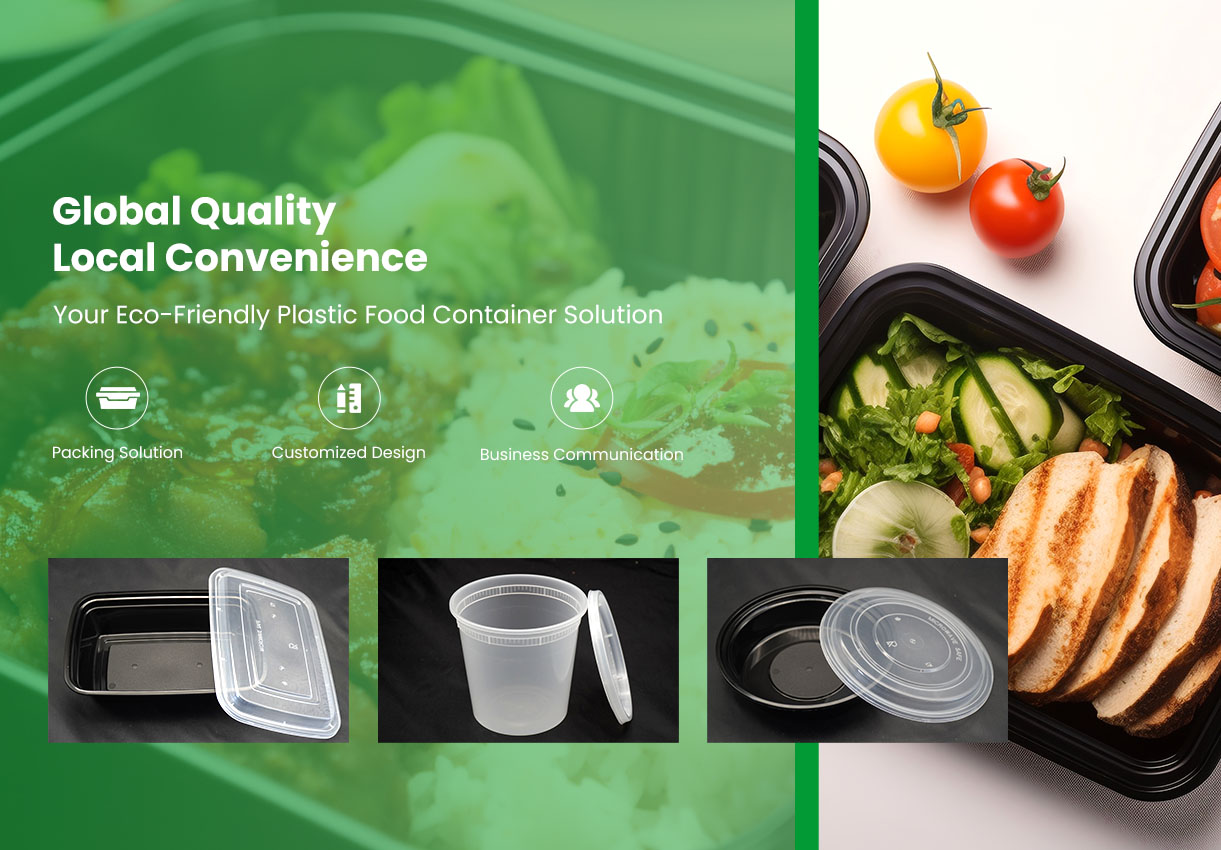
Eco-friendly food packaging is no longer just a branding choice. It is increasingly tied to waste policy, customer expectations, and real operational performance such as leak resistance, heat tolerance, and stackability. A practical starting point is understanding the impact: packaging is estimated to account for about 40% of global plastic waste, and most of it is designed for single use. In parallel, global plastic waste reached 353 million tonnes in 2019, showing why many food-service operators are reassessing packaging systems rather than only changing a single item.
From a manufacturer’s perspective, “eco-friendly” should be evaluated by end-of-life reality and fit-for-use. A container that fails in transit creates food waste, double-packaging, and higher emissions. The best option is the one that matches your food, your logistics, and the disposal pathways available in your target market.
Molded fiber packaging uses renewable plant fibers such as sugarcane bagasse or other pulp sources. It is commonly selected for hot meals, dry foods, and many takeout formats because it can be rigid, nestable, and more heat-stable than many thin plastics. LVHUI supplies semi-biodegradable hinged meal boxes built around plant-based fiber and pulp materials, designed to support takeaway handling while reducing reliance on conventional plastics.
What to check before choosing molded fiber:
Grease resistance and sauce containment requirements
Lid closure strength for delivery vibration
Whether your local waste system accepts fiber food packaging in composting streams
Some packaging formats use plant-based inputs intended for biodegradation or composting. The key is that “compostable” claims are typically tied to recognized standards and labeling rules. Many markets reference standards such as ASTM D6400/D6868 and EN 13432, and some jurisdictions also require third-party certification marks and clear compostable labeling.
LVHUI offers Biodegradable Lunch Box options positioned around plant-based material concepts, supporting brands that want a greener takeout presentation while keeping the structure familiar for operations.
Operational reminder: compostable packaging performs best when the disposal route is actually available. If your region lacks industrial composting, you may prefer recyclable formats for immediate, measurable recovery.
Recyclable plastics remain common because they solve real constraints: leak control, clarity, cold-chain compatibility, and consistent sealing. A more responsible strategy here is selecting food-grade materials that are widely accepted, right-sizing the pack, and avoiding unnecessary multi-material combinations.
LVHUI’s product scope covers soup cups and multiple container shapes, including common food-grade choices such as PP alongside biodegradable plant-fiber options, allowing you to balance performance and sustainability per menu category.
For some prepared foods, aluminum containers can be a strong circular option due to high material value and established recycling pathways in many regions. It is particularly useful for heat-and-serve scenarios, but it requires attention to lids, coatings, and how end users separate components.
| Option type | Best for | Key strength | Watch-outs | How LVHUI can support |
|---|---|---|---|---|
| Plant-fiber molded containers | Hot meals, rice, fried foods | Renewable fiber, sturdy structure | Grease and sauce management varies | Hinged meal boxes and molded-fiber formats |
| Compostable plant-based solutions | Brands targeting composting systems | Clear “green” positioning when certified | Needs correct composting route and compliant labeling | Biodegradable lunch box selections |
| Recyclable food-grade plastics | Soups, sauces, cold chain | Leak resistance, consistent sealing | Recycling depends on local acceptance and clean streams | soup cups, rectangular/round containers, material options |
| Aluminum trays and pans | Reheat-ready meals | Heat stability and recyclability | Lid pairing and separation behavior | Material planning across menu lines |
Start with temperature, oil content, moisture, and time in transit. Soups and saucy foods need lid integrity and deformation resistance. Dry foods can prioritize lightweight fiber formats. Mixed menus often require a packaging “family” rather than one universal box.
Sustainability claims should match local rules and infrastructure. If you plan to use compostable packaging, align the specification with commonly referenced standards such as ASTM D6400/D6868 or EN 13432, and confirm labeling requirements in the destination region.
Waste reduction is not only about materials. Right-sizing containers, removing unnecessary inner packs, improving stack density, and choosing consistent lid systems can reduce total material use and shipping footprint while lowering damage rates.
LVHUI is focused on disposable food packaging manufacturing with a product range that covers soup cups, food containers, and plant-fiber based meal boxes, allowing you to build a menu-matched assortment from a single supply chain. From a sourcing standpoint, that simplifies quality control and reduces variability across SKUs. It also makes customization more efficient, including packaging sizes, container shapes, and specification alignment for different markets.
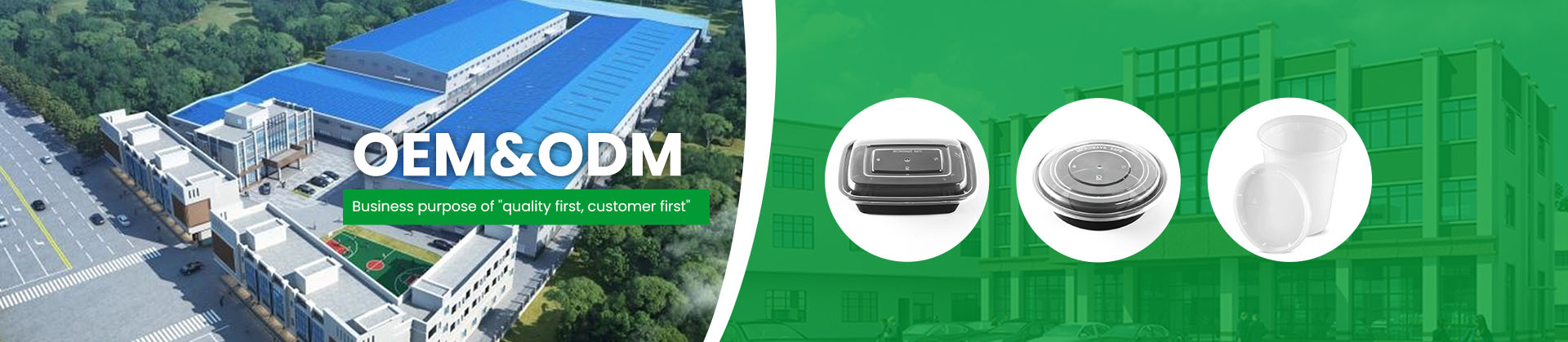
If you are developing a multi-item rollout, LVHUI can support an OEM/ODM workflow where performance testing, pack-out configuration, and material selection are handled as one coordinated program rather than separate purchases.
Eco-friendly food packaging is best chosen as a system: material route, performance fit, and disposal reality. Combine molded fiber for hot meals, recyclable food-grade containers for liquids, and standards-aligned compostable items where composting is actually accessible. With LVHUI’s mixed portfolio across fiber-based and conventional food packaging formats, you can standardize supply while tailoring sustainability and performance to each food category.