Can Biodegradable Lunch Boxes Hold Both Hot and Cold Food? Yes, many biodegradable lunch boxes can hold both hot and cold food, but performance depends on material type, wall structure, coating, and the time-temperature cycle you expect in real use. From a manufacturer’s perspective, the right approach is not asking whether a lunch box is biodegradable first, but whether it can survive your serving conditions without softening, leaking, or losing shape.
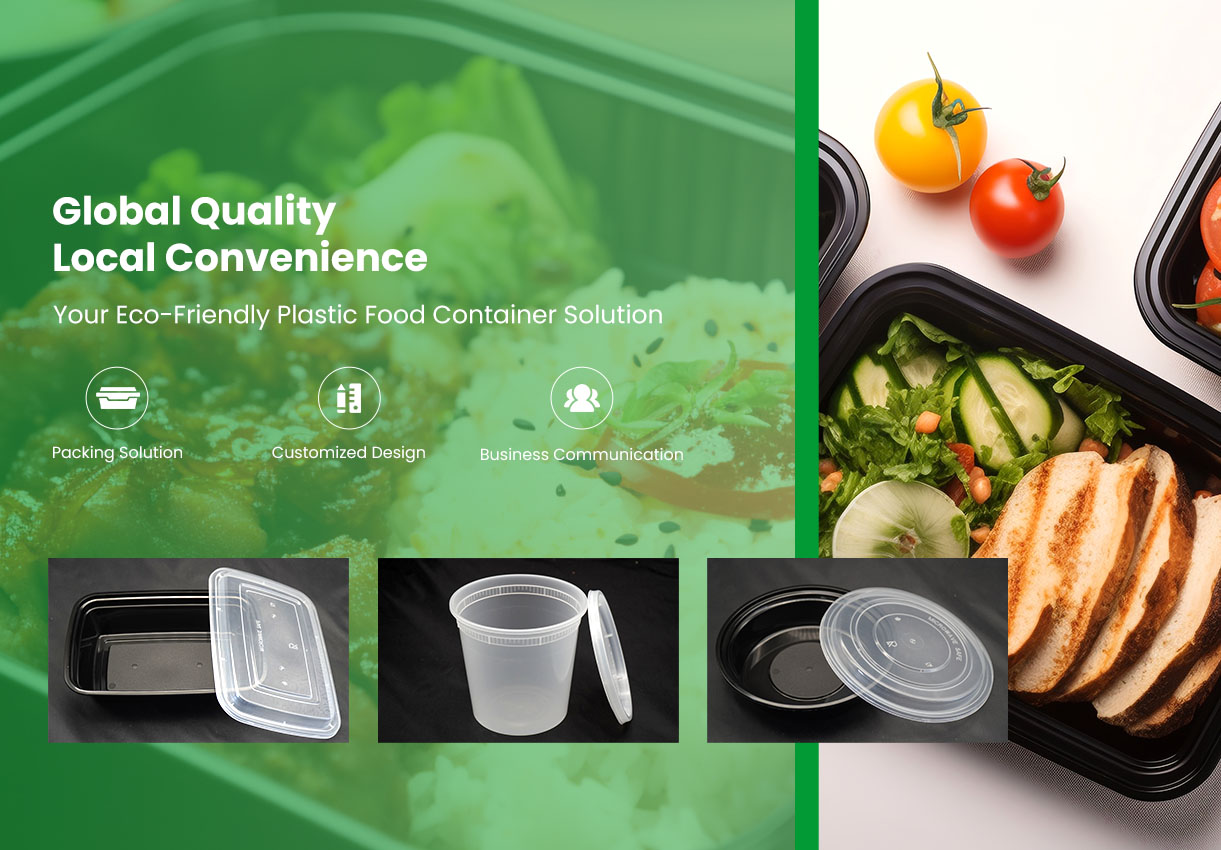
LVHUI’s biodegradable lunch box range is designed for everyday hot and cold holding, and the company also highlights that some models are microwave-safe and that plant-based materials are commonly used, such as sugarcane bagasse and cornstarch fibers.
A container that works for cold salad may fail with hot curry because heat increases three risks:
Softening and deformation Some plant-based polymers start to soften near their glass transition range. For PLA, published research commonly reports a glass transition around the mid 50 to 60 degrees Celsius, which is where it begins to lose stiffness before melting at much higher temperatures.
Steam pressure and lid lift Hot food releases steam, which pushes against the lid seal. If the rim is not engineered for a tight lock, leaks show up during transport, not at the packing table.
Condensation and soggy bottoms Hot food cools and releases moisture, which can weaken fiber-based containers over time. The fix is usually structural design plus the right barrier layer, not simply thicker walls.
Cold food brings different stress:
Brittleness at low temperature Some materials get less flexible when chilled or frozen, increasing the chance of cracking if the container is dropped or stacked.
Grease migration Cold oily foods can still stain or seep if the barrier layer is not matched to fats and acids.
LVHUI notes that biodegradable lunch boxes are intended for both hot and cold foods, while also advising that microwave capability can vary by specific product and should be checked at item level.
Below is a practical comparison that packaging buyers use when planning menus, delivery routes, and reheating workflows.
| Material family | Hot holding behavior | Cold and freezer behavior | Microwave suitability | Notes for reliable use |
|---|---|---|---|---|
| Sugarcane bagasse fiber | Handles moderate reheating and hot holding well, with many industry references citing tolerance up to about 104 C for short heating | Generally stable in fridge and freezer | Often microwave-friendly for short cycles | Best for freezer-to-microwave meal rotation when structure and rim design are strong |
| PLA based bioplastic | Can soften around 55 to 65 C, so hot fill or long heat exposure needs careful selection | Fine for cold foods, may be brittle depending on formulation | Not always ideal for high heat unless heat-resistant formulation | Great clarity and look, but heat behavior must be engineered |
| Cornstarch blends and plant composites | Performance varies widely by recipe | Many versions handle cold well | Microwave depends on blend | Always validate by testing with your actual food and dwell time |
LVHUI also offers semi-biodegradable options made from corn starch and PLA, which can be a practical way to balance cost, stiffness, and sustainability targets when you need consistent stacking and lid performance.
Instead of relying on generic claims, evaluate using three simple scenarios that mirror real operations:
Pack food hot, close the lid, then wait 15 minutes. Check rim warpage, lid lift, and leak at corners. Bagasse often performs well here when the hinge and rim are engineered for pressure.
Hold at typical delivery conditions for 30 to 45 minutes, then tilt 45 degrees for 10 seconds. This exposes weak seals quickly, especially with soups, sauces, and oily stir-fry.
Chill or freeze, then reheat in short bursts. A common failure mode is cracking after freezer storage or softening during reheating. LVHUI states its compostable food boxes can handle microwaving and also refrigeration or freezing, which aligns with these real scenarios.
If you want a biodegradable lunch box that confidently handles hot and cold, these are the manufacturer-side details that prevent quality disputes:
Target temperature range and dwell time for hot holding and reheating
Food types, especially oily, acidic, or high-moisture meals
Lid style, compartment layout, and stacking height in cartons
Whether you need custom printing, private label, or an OEM/ODM packaging plan for bulk order programs
LVHUI positions itself as a dedicated Disposable Lunch Box manufacturer with quality control from raw materials to final product, and supports customization such as printing on compostable food boxes.
Biodegradable lunch boxes can hold both hot and cold food when the material and structure match the job. Bagasse fiber is often the most forgiving option for mixed temperature use, while PLA and cornstarch blends can be excellent with the right formulation and defined heat limits. If you source through LVHUI, specify your real temperature cycle and food type, then validate with simple in-house tests that mirror delivery and reheating. That combination is what turns a sustainability choice into a stable, repeatable packaging solution.