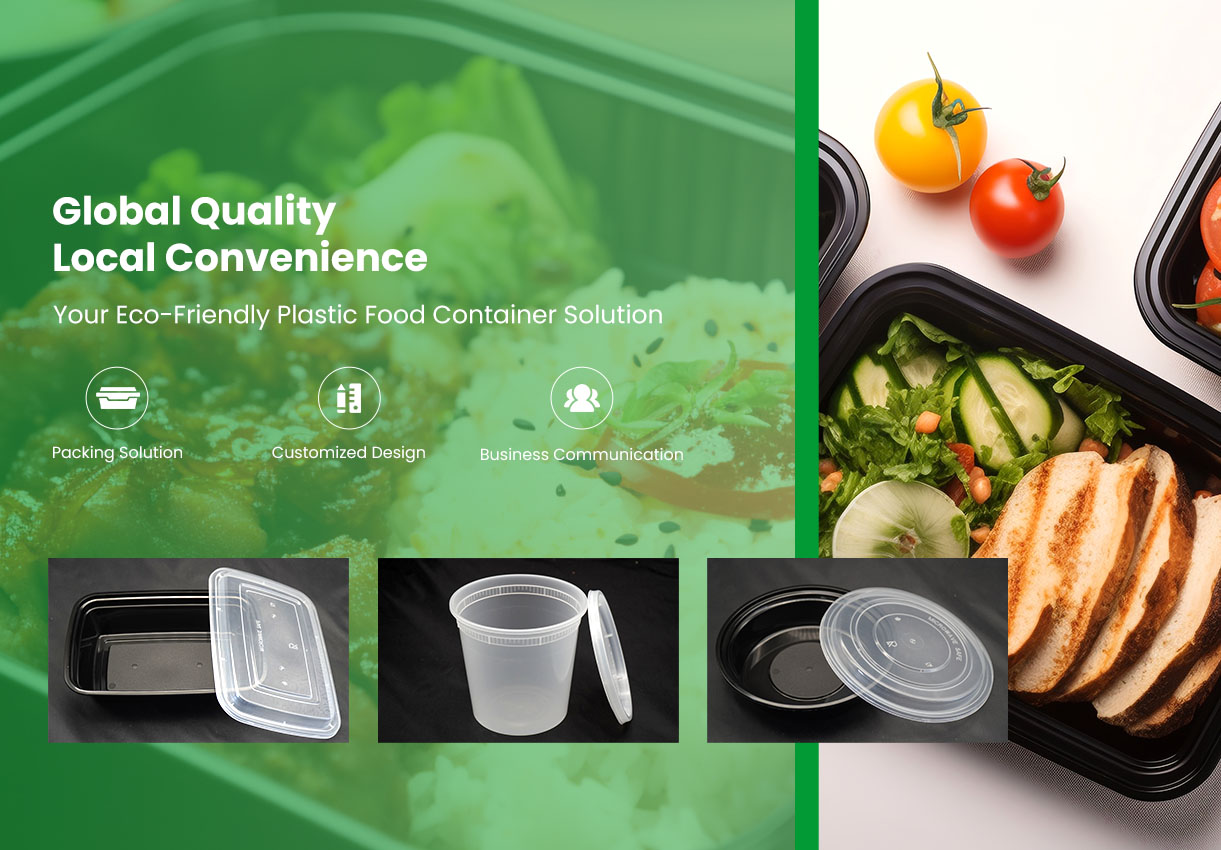
Food delivery places unique demands on packaging. Containers must protect food quality from the kitchen to the customer’s door while preventing spills, leaks, and contamination. Choosing the right leak-proof food container is not only about avoiding messes, but also about preserving presentation, reducing customer complaints, and controlling replacement costs. This guide explains how to evaluate leak-proof food containers for delivery from a practical, performance-focused perspective.
Before selecting containers, it is essential to understand how food moves through the delivery process. Delivery packaging typically experiences stacking, vibration, tilting, and temperature changes. Containers may be placed in insulated bags, stacked with other orders, or transported over uneven roads.
Leak-proof performance must be assessed under these real conditions, not just when the container is sitting flat on a table. A container that performs well in-store may fail during transport if sealing and structure are not designed for movement.
Material choice directly affects leak resistance, heat tolerance, and structural stability.
| Material | Suitable Food Types | Leak Resistance | Key Notes |
|---|---|---|---|
| PP (Polypropylene) | Hot meals, soups, sauces | High | Flexible, heat resistant, strong lid sealing |
| PET | Cold foods, salads | Medium | Rigid and clear, limited for hot liquids |
| Multi-layer plastic | Liquid-heavy dishes | High | Enhanced barrier but higher cost |
| Molded fiber with coating | Semi-dry foods | Medium | Coating quality is critical |
For liquid or oil-rich foods, pp containers with tight-fitting lids are generally the most reliable option for delivery.
The lid is the most critical component of a leak-proof container. Poor lid design is the main cause of spills during delivery.
Key lid features to evaluate include:
Snap-fit or locking rim structures that maintain pressure during movement
Continuous sealing channels instead of segmented contact points
Raised edges or inner lips that prevent liquid escape when tilted
Compatibility between lid and base tolerances
Testing containers by filling them with liquid and turning them upside down is a basic but effective evaluation method.
Container geometry affects how liquids behave during transport.
Design elements that improve leak resistance include:
Rounded inner corners that reduce splash-back
Reinforced sidewalls that prevent deformation under stacking
Flat, stable bases that resist tipping
Stackable designs that maintain lid pressure when loaded
Thin-walled or overly flexible containers may lose sealing integrity when compressed in delivery bags.
Heat and oil increase the risk of leakage. As temperature rises, plastic softens slightly and internal pressure increases, especially with steam-producing foods.
When choosing containers for hot delivery:
Confirm heat resistance ratings
Test containers with freshly cooked food, not cooled samples
Check lid fit after microwave or heat holding
Avoid containers that warp or loosen under heat
Oil and grease can also reduce friction at the seal, so grease resistance is essential for dishes with sauces or fats.
Even the best leak-proof container can fail if overfilled. Containers should allow headspace to absorb movement and pressure changes.
Best practices include:
Selecting container volumes appropriate to menu portions
Avoiding filling liquids to the rim
Using deeper containers for soups and stews
Pairing the correct lid type with each container size
Proper sizing reduces internal pressure and improves overall delivery reliability.
Leak-proof containers are often associated with heavier plastics, but sustainable options are increasingly available. The key is balancing performance with disposal pathways.
Consider:
Recyclable PP or pet containers where infrastructure exists
Fiber-based containers with certified leak-resistant coatings for semi-liquid foods
Clear labeling to guide proper disposal
Leak-proof performance should never be sacrificed for sustainability claims, as spills often lead to food waste, which offsets environmental benefits.
Before committing to large orders, real-world testing is essential.
Recommended tests include:
Tilt and inversion tests with liquid food
Stack pressure testing in delivery bags
Heat exposure tests with hot food
Transport simulation over short delivery routes
Suppliers should be able to provide samples and performance data to support their claims.
Consistent leak-proof performance depends on manufacturing precision and quality control. A qualified supplier should offer stable material selection, controlled molding tolerances, and compatible lid-container systems.
LVHUI provides food containers designed for delivery scenarios, focusing on sealing accuracy, material consistency, and practical performance under real transport conditions. Working with a manufacturer that understands delivery challenges helps reduce failure rates and improve customer satisfaction.
When choosing leak-proof food containers for delivery:
Match material to food temperature and liquid content
Prioritize lid design and sealing structure
Evaluate container strength under stacking and movement
Test performance with real food and real conditions
Work with suppliers who provide documentation and samples
Leak-proof packaging is not defined by a single feature but by the combined performance of material, structure, and manufacturing quality. Selecting containers with delivery in mind ensures food arrives intact, presentable, and safe.