When you finish your meal and want to reheat leftovers, you might wonder if those familiar white Styrofoam takeout boxes can go directly into the microwave. It seems convenient—but this is one area where convenience can be misleading.
When you bring leftovers home or order takeout, keeping the food safe inside a to-go box becomes a priority. Understanding how long food can stay in its container before spoiling helps prevent foodborne illness and ensures freshness.
A takeout container is a packaging item designed to store, transport, and serve food ordered from restaurants, cafes, or catering services. It plays a crucial role in preserving the freshness, temperature, and presentation of food during delivery or takeaway.
Plastic containers have become one of the most practical and widely used solutions for food storage in both households and commercial industries. Their dominance in kitchens, supermarkets, and packaging facilities stems from their remarkable combination of durability, lightness, and safety.
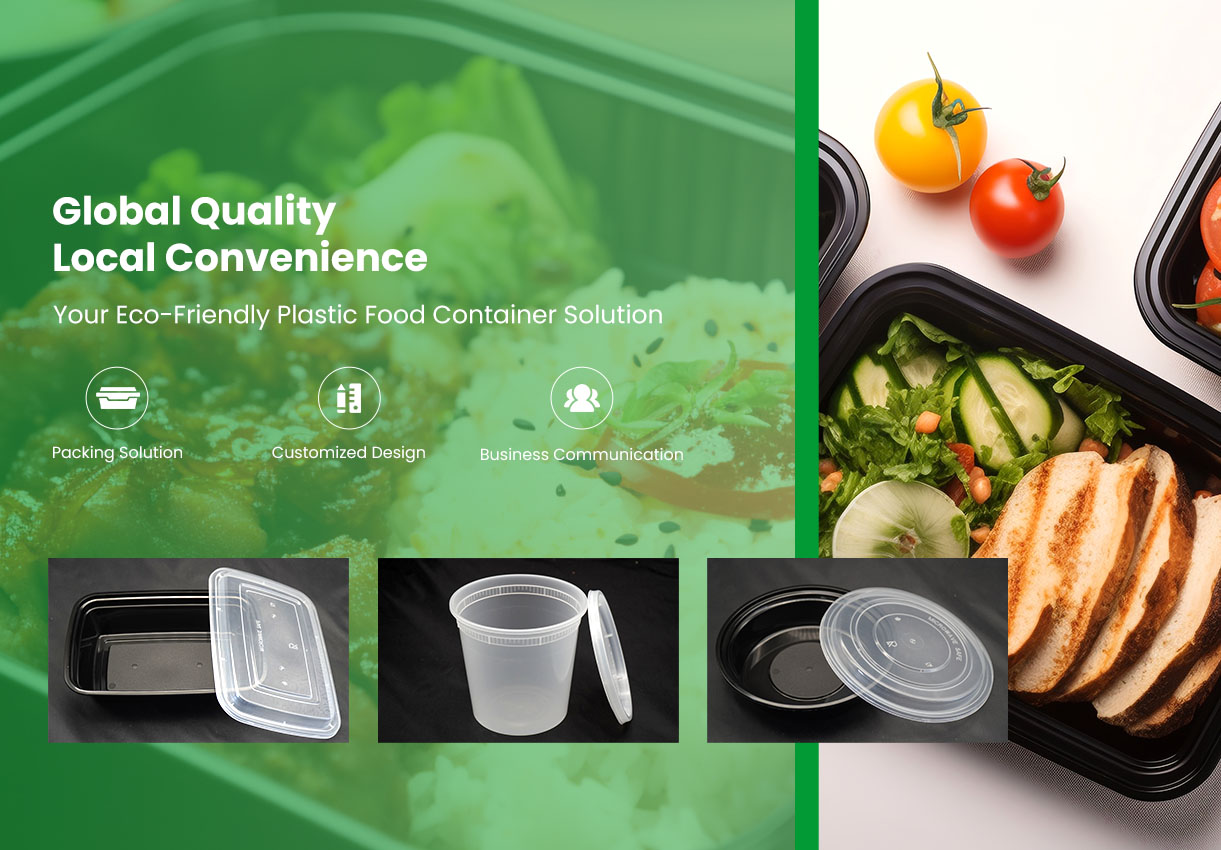
Using plastic food containers for reheating and storing meals is extremely common in homes, offices, and food service environments. But when it comes to black plastic containers—the kind often used for take-out, meal prep or bulk storage—there are additional considerations.
Plastic food containers are ubiquitous in modern kitchens and food supply chains. Understanding the materials these containers are made of—along with their properties, suitability for food contact, and manufacturing considerations—is essential for making informed choices.
Plastic food containers are essential in modern kitchens and food industries, but the symbols printed on their bottoms often confuse users. These markings are not just for decoration—they communicate valuable information about the plastic type, recycling compatibility, temperature limits, and food safety standards.
Heating food in plastic containers is a common practice in modern kitchens, especially with the convenience of microwaves. However, the safety of this practice depends largely on the type of plastic used and how it interacts with heat. Understanding the science behind plastic materials and food safety can help consumers make informed decisions.
Plastic food containers are essential in modern kitchens, offering lightweight durability, versatility, and cost efficiency. They are widely used for packaging, storage, and transportation of various food items, both in households and in commercial food industries.
Microwaving food has become a convenient daily habit for many households and businesses. However, concerns often arise about whether plastic containers are safe to use in the microwave. Understanding how plastics behave under heat and which materials are suitable for microwave use can help ensure both safety and food quality.